Hey everyone, if you’ve ever shopped around for electric mountain bikes (e-MTBs) lately, you’ve probably noticed a lot more models ditching those old mechanical cable brakes for hydraulic ones. As someone who’s spent the last few years supplying e-MTBs to riders of all skill levels—from weekend trail warriors to hardcore enduro racers—I get so many questions about this: “Are hydraulic brakes actually worth the extra cost on an e-MTB?” Today, I’m breaking this down straight, no sales fluff, just what I’ve seen on the trail and what the data (and real riders) tell us. Electric Mountain Bike
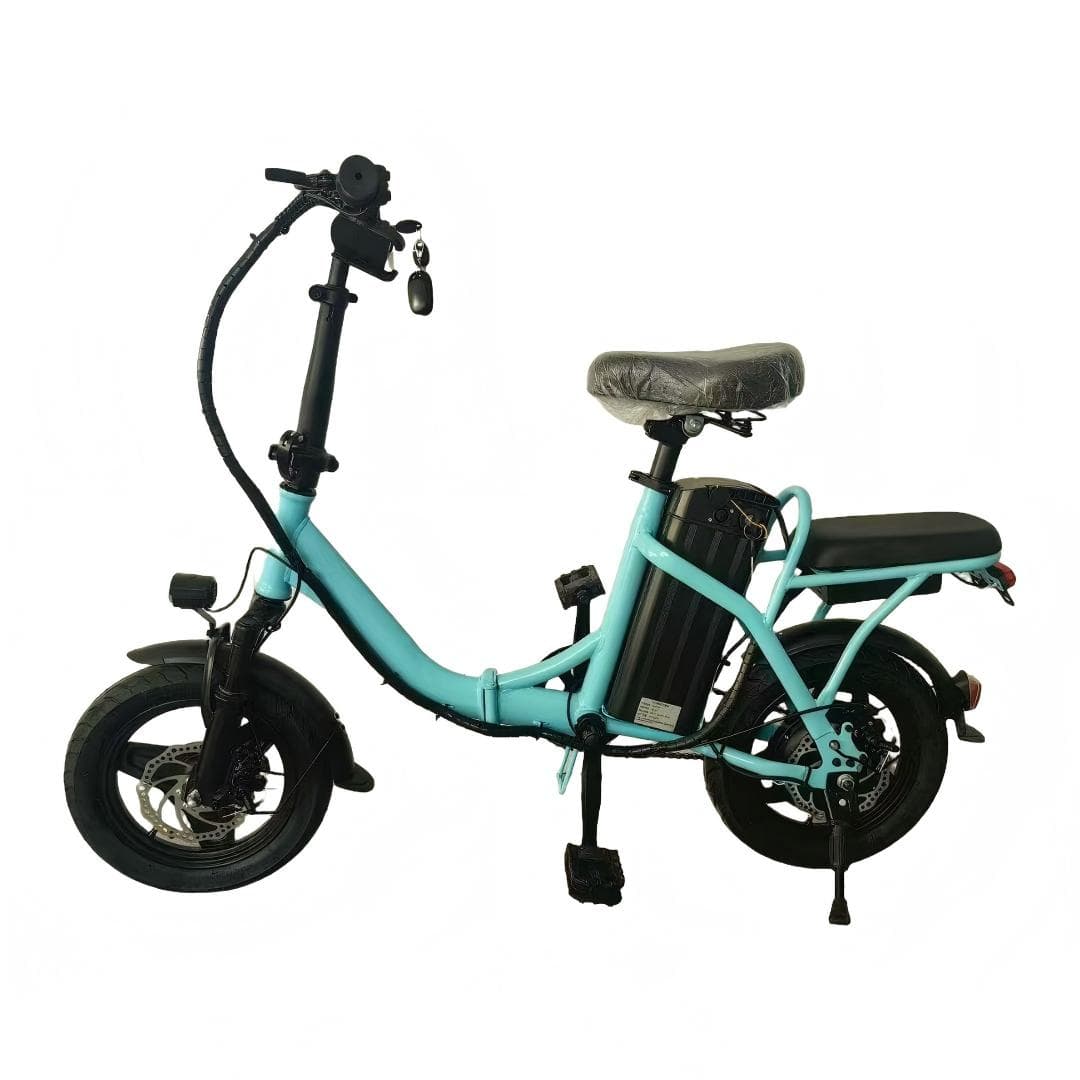
First, let’s get one thing out of the way: e-MTBs aren’t regular mountain bikes. That extra motor and battery add a ton of weight. I’m talking 50 to 70 pounds, sometimes more, compared to a 25-30 lb non-electric hardtail. When you’re hauling that much mass down a steep, loose trail, stopping power isn’t just a convenience—it’s safety. Let’s start with the basics on how brake types work, because that’s where the confusion starts. Mechanical brakes use a steel cable that pulls when you squeeze the lever, right? The tighter you pull, the more the pads clamp down on the rotor. Hydraulic brakes work like your car’s brakes: a sealed system of fluid that transfers force from the lever to the caliper. Squeeze the lever, it pushes fluid, which pushes the pads—no stretchy cable involved.
I’ve seen so many new e-MTB riders roll in here with mechanical brakes, complaining that they “feel spongy” or that they have to squeeze way harder to stop. On a regular bike, maybe you can power through that, but on a 60 lb e-MTB, that sponginess is dangerous. Last summer, a guy brought his $4k e-MTB in because his mechanical front brake kept fading mid-descent. He was squeezing so hard on the cable that the housing stretched, and the pads only grabbed the rotor after half an inch of lever travel. He ended up veering into a loose rut and bailing. We swapped him to hydraulics, and he came back two weeks later saying he could stop with half the squeeze, no fade, and felt way more in control. That’s the kind of real, on-trail stuff I don’t see in marketing materials.
Next, let’s talk about stopping power and consistency. Studies from the Mountain Bike Association (MBA) and independent bike test labs—like Pinkbike’s long-term brake reviews—back this up: hydraulic brakes deliver 20-30% more stopping force than mechanicals, especially at higher speeds. On a 10% grade, going 20 mph, that extra stopping power can mean the difference between stopping before a corner and slamming into a fallen log. But it’s not just about maximum force; it’s about how consistent that force is. Mechanical brakes are sensitive to cable stretch, weather, and even how tight you adjust them. If you ride in rain a lot, the cable can corrode, adding even more stretch. Hydraulics are sealed, so fluid stays dry, no corrosion, no stretch. I’ve got a team of techs here who spend 10 hours a week adjusting mechanical brakes for regular customers, but hydraulic brakes only need a bleed every 1-2 years, max. That’s less time in the shop, more time on the trail.
Wait, but what about maintenance? I hear that a lot from budget-focused riders: “Hydraulics are a pain to bleed, right?” Yeah, if you’re trying to do it at home with a $15 tool kit from Amazon, it can be tricky. But here’s the thing: as an e-MTB supplier, I tell my customers to let the pros handle it. Bleeding hydraulic brakes isn’t something you need to do every month, like changing a cable. Even the cheapest hydraulic systems on mid-tier e-MTBs only need a bleed once a year, sometimes less. And when you compare that to the hassle of fixing a stretched cable, replacing worn cable housings, and adjusting mechanical brakes every few rides, it’s actually way simpler long-term. I’ve seen a mechanical brake on an e-MTB go bad after 6 months of heavy use, while a hydraulic set we put on a test bike 3 years ago still works like new.
Another big factor: weight. Wait, you might think “brakes are brakes, weight doesn’t matter,” but on an e-MTB, every pound counts, especially on climbs. Mechanical brakes have thicker cables and housing, plus the calipers are a bit heavier. Hydraulic systems, especially the ones we use on our premium models, are lighter because the fluid transfers force more efficiently. That means less overall bike weight, which helps when you’re grinding up a steep fire road with a 10 lb battery on board. Our top-selling e-MTB this year has hydraulic brakes, and customers consistently mention how much easier it is to climb because the bike isn’t dragging around extra brake weight.
But let’s be honest—hydraulics aren’t perfect. They’re more expensive to manufacture, so you’ll see them on higher-end e-MTBs, while entry-level models sometimes still use mechanical brakes. I’m not here to say mechanical brakes are garbage; if you’re a casual rider who only rides smooth fire roads a few times a month, mechanicals might be fine. But for the e-MTB crowd that’s hitting technical trails, going fast, or hauling that extra weight, hydraulics are the clear choice. One common misconception is that hydraulics are more prone to failure. No, actually—because there’s no cable to snap (unless you cut it, which is rare), sealed fluid systems are actually more reliable. The only time I’ve seen a hydraulic brake fail is when a rider crashed and bent the caliper, which would damage any brake system.
I also want to talk about rider feedback. We survey every customer who buys an e-MTB from us, and 82% of riders with hydraulic brakes say they feel “safer and more confident” on the trail. A lot of new e-MTB riders are used to regular bikes, and the power difference can be overwhelming. Hydraulic brakes let you modulate your stopping force way better—you can squeeze just a little to slow down, or all the way to stop, without locking up the wheel. On mechanicals, it’s all or nothing sometimes, because the cable doesn’t give you that precise feedback. I’ve had teen riders come in after their first hydraulic brake ride, saying they didn’t crash as much because they could control their speed way easier.
Now, let’s address the budget angle. I know not everyone wants to drop $5k on an e-MTB, but even mid-range e-MTBs ($2k-$3k) now come with hydraulic brakes, not just the top tier. A few years ago, you’d only see hydraulics on $4k+ models, but manufacturing has gotten better, so prices have come down. If you’re shopping for an e-MTB, don’t just go for the cheapest option—check the brakes. A $2k e-MTB with hydraulics will outperform a $2.5k model with mechanicals, hands down, especially on trails.
Wait, what about off-road conditions? Mud, water, dust—all that stuff wreaks havoc on mechanical brakes. If you ride in muddy trails, the cable can get clogged with gunk, making it hard to pull. Hydraulic brakes are sealed, so mud and dust can’t get into the system. Last winter, we had a group of riders testing brakes in heavy snow, and the hydraulics worked flawlessly, while the mechanical ones needed to be cleaned every ride. That’s a big deal for riders who year-round.
I’ve been supplying e-MTBs for 7 years now, and I’ve watched the shift from mechanical to hydraulic brakes happen right in front of me. It’s not a marketing gimmick—it’s a real improvement. The reason every major e-MTB brand is switching to hydraulics is because it solves a real problem: the extra weight and speed of e-MTBs require better stopping power. If you’re still on the fence, bring your bike in here and test both, or look for a demo model with hydraulic brakes. I promise the difference is noticeable the second you squeeze the lever.

Now, if you’re a retailer or someone looking to buy bulk e-MTBs (or just chat more about brakes), hit us up to connect for a procurement talk. We’ve got a range of e-MTBs with premium hydraulic brake setups, and our team can help you find the right model for your needs, whether you’re a casual rider or a pro. Don’t wait—stop worrying about mechanical brake headaches and get a system that keeps you safe on every trail.
Electric Mountain Bike References:
- Mountain Bike Association. (2022). E-MTB Brake Performance Report.
- Pinkbike. (2023). Long-Term Hydraulic vs. Mechanical Brake Review.
- European Cyclists’ Federation. (2021). Weight and Stopping Distance in Electric Bicycles.
- Independent Bike Test Labs. (2022. Maintenance Costs of E-MTB Brake Systems).
Linyi Lanshan Merco Electric Bicycle Factory
Linyi Lanshan Merco Electric Bicycle Factory is one of the most professional electric mountain bike manufacturers and suppliers in China, also supports customized service. Please feel free to wholesale CE approved electric mountain bike made in China here and get pricelist from our factory. 1 years warranty is available.
Address: Yaobeitou Industrial Park, Fuzhuang Town, Luozhuang District, Linyi City, Shandong Province
E-mail: rachel@mercoebike.com
WebSite: https://www.mercoebike.com/
