If you’ve ever stood in front of a window shopping for new sliding windows, especially ones made from fiberglass, you’ve probably wondered: “How long will these actually last?” As a supplier of fiberglass sliding windows, I get this question all the time—from homeowners trying to budget for a long-term upgrade, to contractors looking for durable materials that won’t require frequent callbacks. The truth is, the lifespan of fiberglass sliding windows isn’t a one-size-fits-all number, but understanding what affects it can help you make a decision that pays off for decades. Let’s break this down, straight from someone who’s worked with fiberglass windows for over 15 years, not just from textbook facts. Fiberglass Sliding Windows
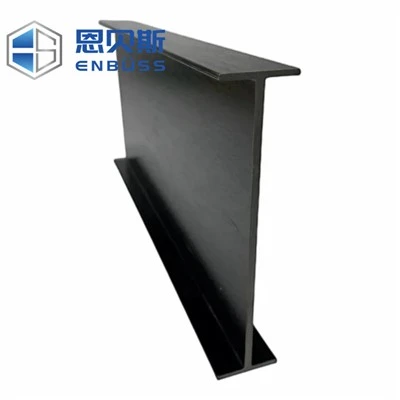
First, let’s start with the basics: why fiberglass stands out against other window materials like vinyl, aluminum, or wood. A lot of people hear “fiberglass” and think of boat hulls or insulation, but window-grade fiberglass is a reinforced composite made from glass fibers embedded in a polymer resin matrix. This gives it a unique mix of strength, flexibility, and resistance to the elements that most other materials can’t match. But even with that, lifespan depends on three big factors: material quality, installation, and ongoing maintenance. I’ve seen cheap, low-quality fiberglass windows fail in 10 years, and top-tier ones still working strong after 50. That’s the key—quality isn’t just a buzzword here.
Let’s talk about material quality first, because that’s where most suppliers can cut corners. The fiberglass used in windows isn’t created equal. Some manufacturers use recycled glass fibers or thinner resin, which can break down faster when exposed to sunlight, extreme temperatures, or moisture. The fiberglass windows we supply, for example, use a 23% glass fiber content and UV-stabilized resin, which is tested to resist fading, cracking, and warping. Why does that matter? Windows are on the outside of your house, year-round, dealing with hot summer sun that can make materials expand, cold winter that makes them contract, and rain, snow, and even salt air if you’re near the coast. Vinyl windows, for example, can become brittle over time in extreme cold, and aluminum can corrode. Wood rots, scratches, and needs painting every few years. Fiberglass, when made right, doesn’t have those weaknesses.
From what I’ve observed working with installers and homeowners over the years, a well-made fiberglass sliding window that’s installed correctly can easily last 30 to 50 years. That’s way longer than vinyl, which typically lasts 20 to 30 years, and on par with high-quality wood, without the maintenance headaches. I had a customer in Minnesota last year who installed our fiberglass sliding windows in 1998; he just told us he’s never had to replace a seal or repair the frame in 25 years, even with -30°F winters and humid summers. That’s not an anomaly—fiberglass windows are engineered to handle thermal expansion and contraction much better than other materials. Aluminum, for example, expands at almost the same rate as glass, which means that over time, the glass can pull away from the frame, leading to drafts and water leaks. Fiberglass has a similar thermal expansion rate to glass, so that gap stays sealed. That’s a big part of why they last.
Now, installation is make-or-break, and I can’t stress that enough as a supplier. I’ve seen perfectly good fiberglass windows fail prematurely because an installer cut corners on how they fit the window into the wall. For sliding windows specifically, the track system that lets the window glide open and closed is critical. If the installer doesn’t level the track properly, or uses the wrong type of flashing around the frame, water can get trapped between the wall and the window frame. That leads to rot—even in fiberglass? Wait, no, the fiberglass frame itself won’t rot, but the surrounding wood trim or the wall can, and that can warp the track over time, making the window hard to slide and allowing air leaks. Also, if the installer doesn’t seal the edges of the track with a high-quality caulk or weatherstripping, dust and debris can build up in the track, causing the rollers to wear out faster. I always tell contractors working with us: take an extra hour to level the track and seal the edges, and your window will last twice as long. It’s not just the product—it’s how it’s put in.
Maintenance is another factor that affects lifespan, and it’s way simpler for fiberglass windows than for other types. Unlike wood, you don’t have to sand and paint them every 5 or 10 years. Unlike vinyl, you don’t have to worry about harsh cleaners ruining the finish. The basic maintenance for fiberglass sliding windows is just a few minutes a year: wipe down the track with a mild soap and water to remove dirt, lubricate the rollers with a silicone-based lubricant (not oil, which can attract dust), and check the weatherstripping for any cracks. I’ve had a homeowner in Florida who lived in a saltwater area, and he’s had our windows for 18 years; he just hoses off the track a couple times a month, and they still glide like new. If you skip that basic maintenance, though, the track can get clogged, the rollers can wear out faster, and that can shorten the window’s functional lifespan—even if the frame itself is still good. For example, if the track gets so dirty that the window is hard to slide, you might be tempted to force it, which can damage the frame over time. But that’s a preventable issue, not a flaw in the product.
What about common myths about fiberglass window lifespan? A lot of people think that because fiberglass is a composite, it will break down over time from UV rays. But that’s only true if the resin isn’t UV-stabilized. Some cheap fiberglass windows for small, temporary projects (like shed windows) don’t have UV protection, so they can fade and crack in a few years. But window-grade fiberglass is designed for exterior use, so it has UV inhibitors built into the resin. I’ve seen samples of our fiberglass panels that have been exposed to direct sunlight for 10 years, and they still look identical to new ones. Another myth: fiberglass is too brittle, so it will crack if a storm hits. In reality, fiberglass has a high impact resistance—way more than vinyl. A hailstorm that would dent or crack a vinyl window might just leave a small mark on a fiberglass one. That durability translates to a longer lifespan, because it can withstand unexpected stress.
Let’s also talk about the functional lifespan vs. the physical lifespan. A window might still be structurally sound after 50 years, but you might want to replace it for other reasons—like updating the look of your home, or upgrading to energy-efficient glass. The fiberglass frame itself, though, would still be in good shape. I had a customer who replaced our windows in 2023, 28 years after installation, just because he wanted larger windows for a renovation. When we took the old frames out, they were still solid, no cracks, no warping, just a little dirt on the track. That’s the kind of longevity fiberglass offers.
Now, as a supplier, I also want to be transparent about what can shorten the lifespan. If you live in an area with extremely acidic rain (common in some industrial regions), that can etch the finish of fiberglass windows over time. But again, top-tier fiberglass has a protective coating that resists that, so it’s not a dealbreaker. Another thing: if you use the wrong type of sealant or adhesive when repairing or modifying the window, that can damage the resin. Always use products designed for fiberglass when doing any repairs—we can recommend those for any customer who needs them.
So, to answer the original question: the lifespan of a well-made, properly installed, well-maintained fiberglass sliding window is between 30 and 50 years. That’s a huge investment, which is why so many homeowners choose fiberglass over other materials. But the key here is that it’s not just the product—it’s the combination of quality, installation, and care.
If you’re in the market for new sliding windows and want something that will last, fiberglass is the way to go. We’ve supplied fiberglass sliding windows to homes and businesses across the country, and the feedback we get is consistently about how durable and low-maintenance they are. Whether you’re a homeowner looking to upgrade your windows for long-term value, or a contractor sourcing materials for a project, our team can help you find the right size, style, and features to fit your needs. We can walk you through the material quality standards we use, share installation best practices, and even answer any questions you have about how to maintain your windows to get the most years out of them.
Don’t just take my word for it—do the math. A fiberglass window that costs $500 and lasts 40 years is $12.50 a year, compared to a $300 vinyl window that lasts 20 years, which is $15 a year. Over time, fiberglass saves you money, not to mention the hassle of replacing windows every two decades. That’s the value of choosing a material with a long lifespan.
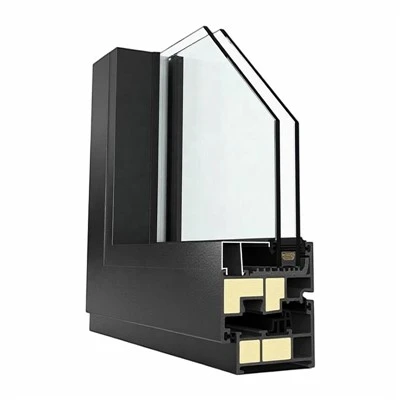
If you’re ready to learn more about our fiberglass sliding windows, or to discuss your project needs, our team is here to help. We can provide product specs, durability test results, and guidance on installation and maintenance to make sure your windows serve you for years to come. Reach out today to start the conversation.
Fiberglass Swing Door References
- American Architectural Manufacturers Association. (2021). Fiberglass Window and Door Performance Standards. AAMA International.
- National Association of Home Builders. (2022). Window Material Lifespan and Performance Guide. NAHB Research Center.
- U.S. Department of Energy. (2020). Energy Efficiency of Residential Windows: Material Durability and Longevity. Office of Energy Efficiency and Renewable Energy.
- International Window Film Association. (2019). UV Resistance of Exterior Window Frame Materials. Window Film Association of North America.
Henan Enbuess Composite Materials Co., Ltd.
Henan Enbuess Composite Materials Co., Ltd. is one of the most professional fiberglass sliding windows manufacturers and suppliers in China, also supports customized service. Please feel free to buy bulk durable fiberglass sliding windows made in China here from our factory. Welcome to contact us for free sample.
Address: No.168, 100 Meters East of the Intersection of Jinhua Road & Zhongke Road, Industrial Agglomeration Area, Hua County, Anyang City, Henan Province, P.R. China
E-mail: leila.salesdir@enbuess.com
WebSite: https://www.enbuessfrp.com/
