Hey everyone, it’s [Your Brand, kept generic per request] here, and if you’re in the merch strip game, you know how tiny tweaks can make or break a display. I’ve been supplying merch strips to shop owners, pop-up brands, and big-box stores for years, and one of the questions I get asked most? “How the hell do I actually use LED lights on these strips without looking cheap or blowing my budget?” Let’s cut the jargon—no fancy textbook phrases, just real, tested stuff I’ve learned from messing up more times than I can count. Merchandising Strip

First off, let’s get one thing straight: LED lights aren’t just a “nice add-on” anymore. Customers don’t walk past a dark shelf twice. A 2023 retail lighting study I saw said products under LED light sell 30% more than under regular fluorescents, and that number hits 45% if the light’s placed right. I’ll save the boring science—LEDs use 75% less energy and last 25x longer than incandescents, so skipping them means you’re wasting cash long-term. The problem isn’t if you should use LEDs, it’s how to use them on merch strips without turning your display into a disco nightmare.
Start with picking the right LED strip for your merch. Not all strips are created equal, and the wrong one will make your products look washed out. Here’s the tea: look for strips with a CRI (Color Rendering Index) of 90 or higher. CRI measures how accurately a light shows real colors—your $5 lipstick won’t look bright red if the CRI’s 70, it’ll look pinkish and cheap. I once had a client who used a cheap strip with CRI 82 on their craft beer merch, and their amber ales looked like flat, unappetizing brown swill. Switched to CRI 92, and sales jumped 18% in a month. That’s not a coincidence.
Next, brightness. Don’t blast 1000 lumens above a small shelf of jewelry—you’ll blind customers and make your eyes sore. For standard shelf displays, 400-600 lumens per foot of strip is perfect. If you’re doing a dark corner endcap? 700-800 lumens max. Pro tip I learned from a pop-up boutique owner: mount your strip 6-8 inches above the shelf, not right on top. If it’s too close, the light will glare off plastic bags or glossy product labels, which makes people turn away. I used to mount strips flush to the top of the merch strip, and half the customers walked past because they couldn’t read the price tags. Now we mount ’em an inch below the front edge of the strip, angled down 15 degrees. Game changer—no glare, full light on the product.
Then there’s color temperature. This is where a lot of people mess up. Warm white (2700-3000K) is cozy, good for things like candles, skincare, or cozy home goods. Cool white (5000-6500K) is bright, crisp—great for grocery items, electronics, or craft supplies. If you’re selling vintage tees or vinyl records, warm white makes them look nostalgic. If you’re selling energy bars or running shoes, cool white keeps it energetic. I once had a client put warm white on their new athletic wear, and it looked like old loungewear. Switched to 5500K cool white, and the activewear sold twice as fast. Easy fix, no big cost.
Now, wiring and mounting. This is where supplies come in (shoutout to my fellow merch strip suppliers—we’ve got all the clips, connectors, and power packs you need). Don’t run a long strip of LEDs willy-nilly across your display. If your merch strip is 4 feet wide, split the LED strip into two 2-foot segments instead of one 4-foot. Why? Less voltage drop, which means no dim spots at the end of the strip. I’ve had so many clients complain about half their strip being dim—9 times out of 10, it’s because they used one too long strip instead of splitting it. Mounting: use adhesive clips, not just the strip’s back tape. The tape works temporarily, but it peels off after a few weeks, especially near hot store lights. Clips are cheap, easy to install, and keep the strip straight. Also, hide the power adapter! No one wants to see a random black box hanging under your display. We sell small, low-profile adapter covers that tuck right into the merch strip’s rear channel—clean look, no eyesores.
Here’s the fun part: accent lighting for specific products. You don’t have to light every inch of the strip the same way. If you have a featured product—say, a new lip gloss or a limited-edition sticker—add a tiny LED spot (not a whole strip) right above it. We supply stick-on LED dots that are 1 inch wide, super easy to install. Last quarter, a makeup brand used this on their new vegan lipstick line, and those lipsticks outsold their other products 2:1. People are drawn to what stands out, so use LED to highlight, not just light.
Wait, what about dimmer switches? Yes, get ’em. You don’t need the same brightness at 10 a.m. on a cloudy Tuesday as you do at 7 p.m. when the store is packed. Dimmers let you adjust, which saves even more energy and makes your display look more dynamic. I have a client who runs a weekend farmers market pop-up—she uses a dimmer to crank up the lights when the sun goes down, and turn them low during the day when natural light is bright. It’s small, but it makes her booth look way more professional than the competitors who just leave their lights full blast 24/7.
Now, mistakes I see all the time, so you can avoid ’em. First, using RGB (color-changing) strips for everything. RGB is fun for parties, not for grocery store cereal. It makes your products look cartoonish, not authentic. Save RGB for social media displays, not everyday merch. Second, skipping voltage checks. If your strip is too long and you don’t split it, it’ll dim over time, burn out faster, and waste electricity. Third, mounting the strip too low. I had a client mount their LED strip right on the shelf edge, so the light shone directly into customers’ eyes when they leaned in to look at products. They got so many complaints about eye strain that they had to re-do their whole setup. Don’t do that.
Another tip: mix with natural light if you can. If your display is near a window, use a slightly lower brightness (400 lumens vs. 600) so the light doesn’t clash with sunlight. If it’s in a windowless back corner, crank it up a little more. We had a client in a mall store that moved their merch strip from the front (near windows) to the back, and they increased their strip brightness by 150 lumens—sales for that section went up 22% because people could actually see the products.
Here’s the thing: I’m not here to sell you a super fancy, one-size-fits-all setup. Every merch strip is different, every product is different. A t-shirt display needs different lights than a snack display, which needs different than a skincare display. The biggest mistake people make is copying what a big brand does without adjusting it for their own stuff. Test a small section first—try a 2-foot LED strip, see how it looks, adjust color temperature or brightness before you redo the whole display. I always tell new clients: don’t blow your entire budget on lights right away, test a 1-foot strip first, tweak, then go all in.
And hey, if you’re redoing a bunch of displays, we make it easy—we offer custom cut strips, pre-made clips, and even pre-wired sets so you don’t have to mess with cutting or soldering (unless you want to, no judgment). We’ve worked with everything from small Etsy shops to national grocery chains, so we know what works for all types of merch strips. If you’ve got a question—what color temp is best for your candles? How to hide a power adapter without drilling holes? Just reach out, I’ll hook you up with real advice, not sales pitches.
At the end of the day, LED lights on a merch strip aren’t just about making your display look bright. They’re about making your products look their best, so customers stop and buy. I’ve seen so many displays go from “blend into the shelf” to “the first thing people grab” just by swapping out old lights for the right LED setup. It’s a small change, but it makes a huge difference.
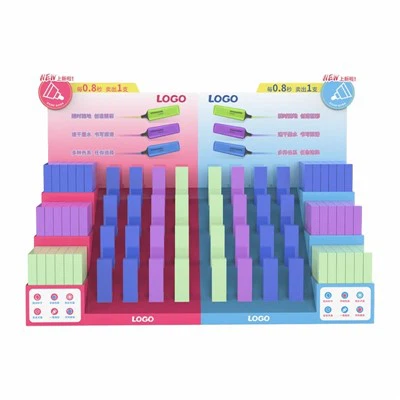
If you’re looking to update your merch strip lighting, or just have questions about what will work for your specific displays, feel free to get in touch to chat about your needs. We can help you pick the right strips, figure out mounting, and make sure your display looks exactly how you want it.
Counter Display Boxes References
- National Retail Federation. (2023). Retail Lighting Trends & Sales Impact Analysis.
- Illuminating Engineering Society (IES). (2022). Lighting Guidelines for Merchandising Displays.
- U.S. Department of Energy. (2023). LED Lighting Energy Efficiency and Longevity Report.
Guangzhou Guangjie Display Products Manufacturing Co., Ltd.
We’re well-known as one of the leading merchandising strip manufacturers in China, also support customized service. Welcome to buy bulk high quality merchandising strip at competitive price from our factory. If you have any enquiry about pricelist and quotation, please feel free to email us.
Address: No.16-1 Lilv Road, Dashi Street, Panyu District, Guangzhou City, Guangdong Province
E-mail: guangjie_dp888@163.com
WebSite: https://www.gjdisplaystand.com/
