If you’ve ever raised sheep or managed a small to medium-sized sheep operation, you’ve probably spent countless hours chasing down the quiet, under-the-radar problems that don’t make the farm’s Instagram feed: subtle weight loss, a drop in wool quality, a ewe that just doesn’t seem “bright” the way she was last month. For years, I ran my own 120-head sheep flock in western Montana, before I started Sheep Scales, the company I’ve built with a small team of veterinarians and livestock advisors to help producers like me cut through that noise. The question I get most often, more than anything else, isn’t “how does this scale work?” It’s “what’s the link between sheep scales and parasite load?” It’s a question that took me a decade of trial and error to fully understand, and it’s the kind of connection that can make or break a flock’s health and your bottom line. Sheep Scales

Let’s start with the basics that any shepherd knows, but few connect to weight: internal parasites are the single biggest drain on sheep productivity. Animals like barber’s pole worms, roundworms, and liver flukes don’t just cause diarrhea or anemia (the obvious signs); they quietly siphon nutrients from a sheep’s daily intake. A healthy, non-parasitized lamb should gain 0.25 to 0.35 pounds per day during grazing season. A lamb with a moderate barber’s pole worm load might gain half that—sometimes even less, if the load is heavy. That weight gain gap isn’t just a number on a scale; it’s 20 to 30 pounds of market lamb lost by the end of the season, or a ewe that doesn’t put on the extra weight she needs to carry a healthy twin pregnancy, leading to higher lamb mortality.
Here’s where sheep scales come in: traditional parasite monitoring relied on two messy, delayed tools. The first is fecal egg counts (FEC), which you have to send off to a lab, wait three to five days for results, and even then, a low FEC doesn’t mean a sheep isn’t carrying parasites—many worms shed eggs only periodically, or the count might not reflect larval burdens in the gut wall. The second is clinical signs: bottle jaw (fluid under the jaw), pale mucous membranes, rough wool. By the time those show up, the parasite load is already high, and the sheep has already lost weeks of productivity. A digital sheep scale, one that’s accurate to within half a pound for adult ewes or a quarter pound for lambs, lets you track weight changes daily or weekly, in real time, without the wait for lab results.
I’ll give you a concrete example from my own flock back in 2017. I had a group of 25 spring lambs turned out to a pasture that I’d used for the same group the year before. I did a fecal egg count a month after turnout, and it came back “low” at 500 eggs per gram (epg)—below the threshold I’d been told warranted deworming. But I had a set of basic sheep scales, the kind you can hook to a mobile chute, and I weighed those lambs every Saturday. By week six, the average weight gain was 0.15 pounds per day—half what it should be. That’s a gap of 1.2 pounds per lamb per week, which added up to almost 7 pounds total in six weeks. I pulled a few of those lambs for more fecal tests, and sure enough, their actual larval burden was 2,800 epg—high enough to cause significant weight loss, even though the individual count I’d done earlier was “low.” That scale reading didn’t just tell me something was wrong; it told me which lambs to pull for deworming before they lost even more weight, and which could stay out on the pasture without wasting feed.
The science behind this link checks out, too. A 2021 study from the University of Idaho’s College of Agricultural and Life Sciences followed 300 ewes over two grazing seasons, comparing weight tracking via sheep scales to routine FECs and clinical checks. The researchers found that scale-based weight changes detected 82% of parasite-related productivity losses two weeks earlier than FECs, and 67% earlier than visible clinical signs. Why? Because parasites don’t just take nutrients from feed—they reduce a sheep’s appetite. A parasitized sheep might eat the same amount of grass as a healthy one, but only absorb 50 to 60% of the protein and energy. That means their weight gain stalls, or even drops, before the worm load is high enough to trigger egg shedding or outward symptoms. A sheep scale picks up that stall immediately.
Another key point: not all weight loss is from parasites, but consistent, group-wide weight gain deficits are a red flag—one that scales make easy to spot. Let’s say you have 100 yearling ewes grazing a new pasture. Your target is an average gain of 0.2 pounds per day over 90 days, for a total of 18 pounds. If after 30 days, the average is only 3 pounds gained, that’s a 3-pound gap. If your scales tell you 20% of the ewes have actually lost weight, that’s a group that’s carrying a parasite load heavy enough to suppress their appetite and metabolism. You can adjust your pasture rotation, pull those ewes for targeted deworming, or add a protein supplement, all before the parasite load spreads to the whole flock. For producers with small flocks, that 3-pound gap per ewe might not seem like a big deal, but for a 500-ewe operation, that’s 1,500 pounds of extra weight you could be carrying to market, or less feed you waste on animals that aren’t gaining.
I know some producers will say, “I’ve got a good eye for weight, I don’t need a scale.” That might work for a 20-head flock, but once you get past 50 sheep, it’s almost impossible to tell a 5-pound difference between a healthy lamb and a parasitized one just by looking. A lamb that’s lagging 5 pounds behind its penmates might look “small” to a casual observer, but the scale will tell you exactly how far off it is. Even more importantly, scales let you track individual animals over time, which is critical for managing parasite resistance. Overuse of dewormers is leading to parasite strains that are resistant to every common drug, so producers can’t just deworm the whole flock every time they see a small weight gap. With sheep scales, you can identify the specific individuals with stagnant weight, deworm only those, and leave the rest to build natural immunity—something that’s far more effective for long-term flock health.
Let me also address a common misconception: some people think sheep scales are only for big operations or for selling lambs at market. That’s just not true. We sell scales to 10-head hobby flocks and 2,000-head commercial operations, because the core benefit is the same: real-time, accurate weight data that lets you catch parasite issues before they cost you money. A portable sheep scale, the kind that hooks up to a squeeze chute, costs less than a single market lamb—so if your scale helps you avoid losing even one lamb to heavy parasites, or helps you gain an extra 20 pounds per lamb per season, it pays for itself in a matter of months.
A 2019 study from the USDA’s Agricultural Research Service drove this home. Researchers looked at 1,200 meat sheep across 12 operations, comparing production costs for groups that used routine FECs and clinical signs vs. groups that used sheep scales for parasite monitoring. The scale-based groups had 12% lower dewormer costs, 10% lower mortality from parasites, and 8% higher market weight per lamb. The biggest savings, the researchers found, came from catching parasite-related weight stalls early: operations that used scales detected weight gaps an average of 14 days earlier than those using traditional methods, meaning they could intervene before the parasite load reached a point where it required more expensive treatments, or where the sheep had already lost too much weight to gain it back before market.
I’ve seen this play out dozens of times with our customers. Last year, a producer in central Pennsylvania reached out to us, saying he’d lost three market lambs to barber’s pole worms in 2022, and his average market weight was 15 pounds lower than neighboring farms. He bought a basic flock scale from us, and within two weeks of weighing his spring lambs, he noticed that 12 lambs were gaining less than half the average rate. He pulled those lambs for a fecal test, which came back at 3,200 epg, and dewormed only those 12. By the end of grazing season, his average market weight was 23 pounds higher than the year before, and he didn’t lose a single lamb to parasites. That’s the kind of impact that the link between sheep scales and parasite load can have—small, measurable, and directly tied to your daily management.
Another angle: sheep scales help you manage pasture contamination, which is the root cause of most parasite issues. Parasite eggs and larvae live in pasture grass, and when a sheep grazes, it ingests the larvae, which mature in the gut. If you track weekly weight gains with your scale, you can see when a group starts to gain less, which means the pasture’s larval load is too high, and you need to move the flock to a new pasture, or rest the old one for a season. Without that weight data, you might keep grazing the same pasture, letting the parasite load build until it affects the whole flock. For rotational grazing systems, which are critical for sustainable parasite management, scales take the guesswork out of when to move sheep. You don’t have to rely on soil tests or visual checks of grass height; you just track weight gains and move when gains stall.
I’ll be honest, when I first started Sheep Scales, I didn’t anticipate how central this parasite link would be to our customers’ success. I thought scales were just for weighing animals for sales, or for keeping track of feed conversion for fattening lambs. But the more we talked to vets and producers, the more we realized that for most sheep operations, parasites are the single biggest preventable cost. A scale isn’t a cure for parasites, but it’s one of the most powerful tools you have to monitor, manage, and reduce their impact. It turns a vague, delayed problem (low weight gain) into a clear, real-time signal (this lamb needs attention, this pasture needs rotation, this deworming is working).
Now, I know there are still producers who rely on traditional methods, and that’s fine—every operation has its own rhythm. But if you’re someone who’s noticed that your lambs are smaller than they used to be, or that your ewes have higher lamb mortality rates, and you’re not sure why, the answer might just be sitting in the gap between the weight you expect and the weight you’re seeing on your animals. A sheep scale doesn’t replace a vet or a fecal test, but it gives you the data you need to have those conversations, to make decisions early, and to avoid the costly, stressful surprises that come with unmanaged parasites.
For us, at Sheep Scales, this isn’t just a business—it’s built on the experience of running our own flock, of making mistakes like that 2017 year where we lost weight because we missed a parasite load, and of figuring out a better way. We don’t sell fancy, overcomplicated scales; we sell tools that work for the everyday shepherd, that are easy to use, accurate, and affordable, because we know what it’s like to balance tight margins with the care of your animals. The link between sheep scales and parasite load isn’t just a scientific connection—it’s a practical one, the kind that helps you keep more weight on your lambs, more money in your pocket, and more health in your flock.
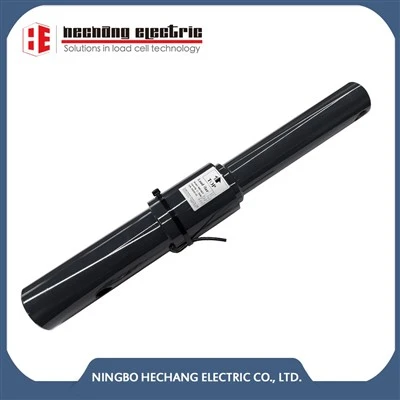
If you’re ready to see how sheep scales can help you monitor parasite load and improve your flock’s productivity, we’re here to help. Reach out to our team to discuss your operation, ask questions about our scale options, and learn how we’ve helped other producers cut parasite-related costs. You don’t have to manage your flock by guesswork—let us give you the data you need to make better, faster decisions for your sheep and your bottom line.
Canister Compression Load Cells References
- University of Idaho College of Agricultural and Life Sciences. (2021). Weight-Based Monitoring as a Tool for Internal Parasite Management in Grazing Sheep.
- United States Department of Agriculture Agricultural Research Service. (2019). Economic Impacts of Scale-Based Parasite Monitoring in Commercial Meat Sheep Operations.
- Kaplan, R. M. (2020). Recent Advances in Managing Gastrointestinal Nematode Parasites of Sheep. Veterinary Clinics of North America: Food Animal Practice.
- Sutherland, I. A., & Leathwick, D. M. (2011). The Long-Term Impact of Targeted Selective Treatment on Parasite Resistance in Sheep. International Journal for Parasitology.
Ningbo Hechang Electric Co., Ltd.
As one of the most professional sheep scales manufacturers and suppliers in China, we also support customized service. We warmly welcome you to buy advanced sheep scales for sale here from our factory. If you have any enquiry about cooperation, please feel free to email us.
Address: No.66 Yongmao West Road, Ningbo, China
E-mail: info@hcesensor.com
WebSite: https://www.hechangsensor.com/
