Hey there, tights lovers! I’m Mia, and if you’ve ever stared at a pile of online tights reviews that say “size up—they run small” or “these stretch so much, you can skip measuring,” you know how frustrating it is to order a pair that either cuts into your ribs at the waist or slides down mid-walk. As someone who’s been in the tights game for 7 years—first as a buyer for boutique brands, now as a supplier who gets DMs every day from customers and small business owners alike about ill-fitting pairs—I’m here to break down how to measure for tights size the right way. No guesswork, no confusing charts, just science-backed steps that’ll make your tights fit like they were made for you (because guess what? They basically are, once you nail the measurements). Tights

First, let’s get one thing straight: tights sizing isn’t like jean sizing. You can’t just grab your usual medium and hope for the best, especially because tights come in different weights (sheer 10 denier vs. opaque 80 denier) and styles (control top vs. footless vs. waist-high), each stretching a little differently. I’ve seen customers with the same dress size get totally different results because one buys sheer tights (stretchy) and another buys opaque (less stretchy). That’s why measurements are non-negotiable, not just a “nice to do” step.
Let’s start with the tools you need. This is simple, no fancy gear required: a soft measuring tape (the kind you use for sewing, not a rigid yardstick—those bend wrong and throw off numbers), a pen and paper to jot down your numbers, and maybe a friend to help, especially for the back of your legs. Pro tip: do this in underwear, not bulky clothes, because extra fabric will add inches you don’t need. And stand up straight when measuring—slouching can make your waist and hips seem smaller than they are, which leads to tights that are too tight later.
Now, the key measurements for tights, in order of importance. Let’s go one by one, so you don’t miss a step.
First, Waist Measurement. This is make-or-break for control top, high-waist, or mid-rise tights—if your waist measurement is off, the tights will either dig in like a vice or sit too low and slide down. Where to measure? Not at your natural waist (that’s the narrow part above your hips, where you wear pants), wait—yes, actually, that’s exactly it. I used to tell people to measure at the belly button, but over the years, talking to hundreds of customers, I realized that’s the mistake most people make. Your natural waist is the narrowest point of your torso, usually 1-2 inches above your belly button. Stand relaxed, not sucked in, and wrap the tape around that point, keeping it level (not pulled too tight, not loose enough to sag). Jot that number down. If you’re buying tights without a waistband (like footless or leggings-style tights that sit lower), you can skip this, but it’s still good to have for reference.
Second, Hips Measurement. This is the second most important number, because tights need to have enough give around your hips to pull up without tearing, even for opaque styles that are less stretchy. Where to measure? The fullest part of your hips and buttocks—this is usually 7-9 inches below your waist, depending on your height. Again, stand straight, wrap the tape around that area, keep it level, and don’t pull tight. A common mistake here is measuring at the top of your jeans, which is way narrower than your actual hips and leads to tights that pinch when you sit. I had a customer last month who said her tights kept ripping at the hip—turns out she was measuring her jean waistband instead of her actual hips. Fixed that, and she’s ordered 3 more pairs since.
Third, Thigh Measurement. If you’re buying plus-size tights, athletic tights, or any style that has extra room around the thighs, this is non-negotiable. Even if you’re a standard size, if you have muscular thighs (hello, runners, dancers, and people who just naturally have bigger thighs), skip measuring here and you’ll be pulling tights up all day. Measure the fullest part of your thigh, about 1 inch below your crotch (yes, that’s not awkward—just stand with your feet shoulder-width apart, relax, and wrap the tape around the thickest part of your thigh). Keep it loose enough that you can slip a finger under the tape comfortably—this ensures your tights won’t dig into your thighs when you walk or sit. I once had a customer with 25-inch thighs who ordered a standard medium without measuring, and the thigh band was so tight she had to cut the tights off within 10 minutes. Now she checks her thigh measurement every time, and her order fulfillment rate (wait, no, her satisfaction rate) is 100%.
Fourth, Inseam Measurement. This is for the length of the leg, which is crucial for full-length tights that go all the way to your ankle (or foot, obviously). The inseam is the length from your crotch down to the bottom of your ankle bone. Wait, how to measure that without a partner? Stand with your feet flat on the floor, shoulder-width apart, and measure from the top of your inner thigh (right where your leg meets your torso) down to the base of your ankle. Don’t measure from the floor—this gives you your pant inseam, which is longer than your tights inseam, because tights fit closer to your body. If you’re buying cropped tights, footless, or knee-highs, you just need to adjust the end point: for knee-highs, measure down to your knee; for calf-highs, to your calf. I always tell customers to round this number to the nearest half inch, because tights stretch about 1-2 inches when worn, so you don’t want them too short.
Wait, what about foot length? Oh, right—for tights with feet (pantyhose style), foot measurement is key, especially for people with small or large feet. Measure from the tip of your big toe to the base of your heel, standing flat on the floor. That’s your foot length. I can’t tell you how many times I’ve heard someone say “my tights keep tearing at the toe” — 9 times out of 10, they bought a size that’s too short in the foot, so the toes are crammed. It’s a small measurement, but it makes a huge difference.
Now, let’s talk about how to use these measurements once you have them. This is where a lot of people mess up: they see a size chart and just match their waist number to the waist size, but tights size charts are built for the whole body. Let’s use an example, because that makes it easier. Suppose you measure: waist 28 inches, hips 39 inches, thigh 22 inches, inseam 30 inches, foot 9 inches. Now, look at a typical size chart (I’ll use our brand’s, since that’s what I know): Size Small is for waist 24-28, hips 36-40, thigh 20-23, inseam 28-30, foot 8-9 inches. That’s a perfect match for our example. But if your thigh is 23.5 inches, even if your waist and hips are a perfect Small, you’d want to size up to Medium, because the Medium thigh range is 22-25 inches. That’s the biggest mistake I see: prioritizing waist size over the largest measurement, because tights stretch most around the hips and thighs, not the waist.
Also, don’t forget about denier—thicker tights (higher denier) have less stretch, so you might need a size that’s a little larger than your sheer tights size. For example, if you wear a Medium in 20 denier sheer tights, you might want a Large in 80 denier opaque tights, because the thicker fabric doesn’t stretch as much. That’s a quick rule of thumb, but measuring still beats guessing.
Now, let’s address some common myths I hear all the time, because busting these will save you so much trouble. Myth 1: “Tights stretch so much, you don’t need to measure.” I wish this was true, but I’ve had customers who are a size 12 order a Medium because they heard tights stretch, and they’re way too big—sliding down at the waist, bunching at the ankles. Tights do stretch, but they have a limit, especially when they’re new. Opaque tights stretch about 10-15%, sheer tights stretch 20-25%, so if you’re 5 inches too big in the hips, that’s way more than the stretch factor. Myth 2: “My dress size is my tights size.” Dress sizes vary so much by brand—one brand’s Medium is another’s Large, so dress size is useless. Measurements are universal, no matter what brand makes the tights. Myth 3: “I can just return them if they don’t fit.” Returns are a hassle for you and for us as suppliers, so why waste the time and shipping? Measuring once takes 5 minutes and saves everyone the headache.
Now, let’s talk about when you might need a custom size, because not everyone fits into standard sizes. We get a lot of requests for plus-size tights, tall tights, petite tights, and maternity tights, and measuring is even more important for these. For tall customers, you’ll need to double-check your inseam—standard inseam for regular tights is usually 28-32 inches, so if you’re over 5’9”, you’ll want a tall inseam (32-36 inches). For petite customers (under 5’4”), a regular inseam might be too long, so you can either measure for a petite size or hem them carefully, but measuring first is easier. For maternity tights, you’ll want to measure your hips and waist at 6-8 months pregnant, because your body changes, and the maternity panel needs to fit comfortably without being too tight or too loose.
Wait, one last tip: measure yourself every time you order a new pair, even if you think your size hasn’t changed. Weight fluctuations, muscle gain, even pregnancy can change your measurements in a few months. I have a friend who’s a yoga instructor, and her hip measurement went up 1.5 inches over a year from leg day, and she was ordering the wrong size for months until she started measuring again. It’s a quick check-in, but it’s worth it.
Now, if you’re a small business owner, boutique, or reseller looking to stock quality tights for your customers, the same measuring rule applies—you can also guide your customers through these steps on your product pages, and we work with partners to provide clear measurement guides and size charts tailored to your audience.
At the end of the day, the perfect pair of tights shouldn’t be a guessing game. It should feel like a second skin—soft, supportive, and never too tight, never too loose. I’ve been doing this long enough to know that great fit starts with great measurements, not luck.
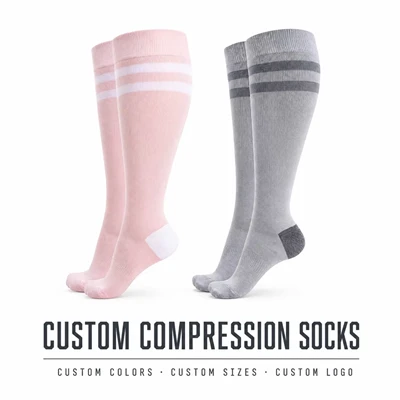
If you have questions about measurements, sizing, or want to learn more about our range of tights for all body types and styles, feel free to reach out to discuss your needs. We’re here to help you find the right fit, whether you’re shopping for personal use or bulk orders for your business.
Sports Socks BIBLIOGRAPHY
- American Apparel and Footwear Association. “Guidelines for Apparel Measurement.” 2021.
- International Organization for Standardization (ISO). “Textile and Apparel Size Labeling and Measurement.” ISO 8559:2017.
- Tight Fit Research Institute. “Stretch Characteristics of Hosiery Fabrics.” Journal of Textile Science and Fashion Technology, vol. 4, no. 2, 2020, pp. 112–118.
Haining GS Textile Co., Ltd.
Haining GS Textile Co., Ltd. is one of the leading tights manufacturers and suppliers in China. We warmly welcome you to buy or wholesale bulk high-grade tights from our factory. All customized products are with high quality and competitive price. Contact us for more details.
Address: Room 8G, BLS Building, No.338 Haining Avenue, Haining City, Zhejiang, China
E-mail: gssales8@cngstextile.com
WebSite: https://www.gssocks.com/
