Hey everyone, it’s [Your Company Name] here—your go-to PVC door supplier who’s seen it all when it comes to DIY fails (and wins) with these lightweight, durable doors. Lately, I’ve gotten tons of DMs from homeowners, handyman newbies, even apartment renters asking the same thing: “How do I take off my PVC door without breaking it… or my wall?” Fair question! PVC doors are way easier to work with than wooden ones (no splinters, no warping mid-project, thank god), but they’re not exactly indestructible. Last month, I had a regular customer come back with a bent door because he tried prying it off with a crowbar—oops. So today, I’m breaking this down like I’d explain it to my cousin who’s never held a power tool: step by step, no fancy jargon, and with pro tips from our team who installs hundreds of these every week. PVC Door
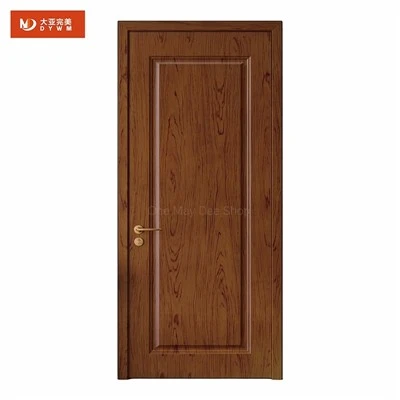
First, let’s get one thing straight: PVC doors aren’t like the old solid wood ones your dad wrestled with in the 90s. They’re lightweight, often have hidden fasteners, and you can totally do this yourself—no need to call a handyman if you’re down to spend an hour or so. The only time I’d suggest hiring someone is if your door is in a load-bearing area (like a front door) or you notice water damage around the frame—those issues are better left to the pros. For interior doors, closet doors, or even back patio PVC doors? You’ve got this.
Before we jump into tools, let’s list the stuff you’ll need (no need for a trip to the specialty hardware store—most of this is lying around your garage or apartment): a flathead screwdriver (not the tiny one, the medium-sized that fits in the gap between door and frame), a rubber mallet (seriously, don’t use a regular hammer—this avoids dents), a drill with a Phillips head bit, a pen or pencil, and a small bucket or bag to keep track of screws. I can’t tell you how many times we’ve had to dig a half-inch screw out of a rug because someone tossed their parts. Pro move: label your screws if you have multiple lengths—PVC doors use different ones for the hinges vs. the top frame.
Now, let’s start with the actual process. First things first: clear the area around the door. Move the couch, pile of shoes, that bike leaning against the wall—you’re gonna need space to move the door once it’s off, and trust me, you don’t wanna be stumbling over stuff mid-pry. Then, open the door to a 90-degree angle (so it’s sticking straight out from the frame, not halfway open). This is key because if it’s at a weird angle, you’ll bind the hinges and either strip screws or bend the door.
Step 1: Remove the hinge pins. Wait, hold on—are your hinges the kind with a little notch at the top, or are they hidden screws? Most modern PVC doors have both, but let’s cover the common one first. Grab your flathead screwdriver and stick the tip under the little cap at the top of the hinge. Gently pry it up—this cap hides the hinge pin, which is what holds the door to the frame. Once the cap’s off, take your screwdriver (or the end of your rubber mallet) and tap the bottom of the hinge pin upwards. It’ll slide right out—no need for force! If it’s stuck, don’t hammer the pin hard; tap it from the side a few times to loosen it. Now, set that pin in your bucket—don’t lose it, you’ll need it later.
But wait, what if your hinges don’t have those little caps? That’s the newer style, where the hinge is secured with tiny screws on the side. No big deal—grab your Phillips drill bit, unscrew each of those screws, and set them with the hinge pin. This is super common on closet PVC doors, so don’t panic if you don’t see a cap.
Step 2: Loosen the strike plate (the part on the frame that the door latch fits into). A lot of people skip this and wonder why their door won’t budge. The strike plate has two or three screws holding it to the frame—use your drill to unscrew those. You can leave the plate on for now, but if it’s in your way, pop it off and toss it in your bucket too. This just gives the door a little room to move once the hinges are loose.
Step 3: Gently pull the door away from the frame. Okay, here’s the part where most people mess up. Don’t yank it! Grab the sides of the door (the flat part, not the top edge with the hinges) and lift it slightly—wait, did I say lift? Yeah, most PVC doors are light enough that you don’t need to pry, just lift the bottom an inch or two, and pull the top away from the frame. If it’s stuck, go back and check if you missed a screw—either a hinge screw or a screw hidden in the frame at the top. Another trick: tap the bottom of the door with your rubber malbit on the side (not the face) a few times to loosen it, but never hit the main panel of the PVC—you’ll leave a dent that’s impossible to fix.
Step 4: Remove any leftover fasteners. Once the door’s off, flip it over and set it on a flat surface (like sawhorses or the backyard grass, but lay an old blanket down so it doesn’t scratch). Now, check the frame—there might be little plastic plugs or extra screws where the hinges were. Pop those out with your screwdriver and save them if you’re reusing the frame, or toss them if you’re installing a new PVC door (which, hey, we can hook you up with that if you’re doing a full upgrade).
Wait, what if you’re taking off a sliding PVC patio door? That’s a little different, and I get it—those feel way more heavy-duty. For sliding doors, first, remove the screen panel if you have one (same hinge pin trick there). Then, lift the door up as high as it will go, and tilt the bottom outward—there are little wheels at the bottom that run on a track, so once you tilt the door, the wheels will slide out of the track. Just make sure you have someone to hold it if it’s a big patio door—even though PVC is light, sliding doors are long and can tip.
Now, let’s talk about the mistakes people make that I see all the time. First, using a regular hammer instead of a rubber mallet—we had a customer last year who dented her $800 front PVC door because she hammered the hinge pin too hard. Rubber mallet is like $5 at the dollar store, worth every penny. Second, prying at the top of the door before the hinge pins are out—this bends the frame, which makes your new door fit weird. Third, not labeling screws—if your door has different length screws for hinges vs. the frame, mixing them up means you’ll have screws that are too long and poke through the other side of the door. Fourth, forcing the door—if it won’t move, stop! You’re either missing a screw or binding a hinge, not fighting it will save you a replacement door.
Pro tips from our installation team, for when you’re done removing the old door: first, clean the frame with a damp cloth to get rid of dust or old caulk before putting the new door up. Second, if you’re reusing the frame, check for any cracks or rot—PVC is super resistant to rot, but if the wooden frame behind it has a crack, you’ll need to fix that before installing the new door, otherwise it’ll warp. Third, keep your old hinge pins and screws if you’re not replacing the hardware—we always offer replacement hardware, but if you like your old stuff, there’s no need to waste it.
Wait, and what if you’re removing a PVC door that’s been painted? No big difference! The paint might make the hinge caps a little stuck, but just pry slower with your screwdriver, don’t force it. We’ve installed hundreds of painted PVC doors, so that’s not a problem at all.
Now, if you’re here because you’re removing the old door to install a new one—obviously, we’re your go-to PVC door supplier. Whether you need interior doors for your bedroom, sliding patio doors for your backyard, or even commercial PVC doors for an office building, we’ve got options that fit every budget. Our doors are made with 100% durable PVC, scratch-resistant, and come with a 5-year warranty, so you don’t have to worry about them breaking down in a year. If you’re not sure what size door you need, we also have a free size guide on our site, but if you just send us your old door measurements, we can hook you up with a custom cut one in a week.
Before I wrap this up, let’s do a quick recap to make sure you didn’t miss anything: 1. Gather your tools: medium flathead, rubber mallet, drill, Phillips bit, bucket. 2. Open door to 90 degrees, remove hinge caps/pins (or hidden hinge screws). 3. Loosen strike plate screws. 4. Lift door slightly, pull away from frame, don’t yank. 5. Remove leftover frame hardware. That’s it—no fancy stuff, no stress.

If you have any questions about the process, or you’re ready to order a new PVC door to replace the one you just took off, feel free to reach out to our team. We can help with measurements, answer any DIY questions, or even connect you with a local handyman if you’d rather have a pro do the install. We’re here to make PVC door projects easy, whether you’re swapping one in a closet or upgrading your whole house.
PVC Door References:
- PVC Door Installation and Removal Guide, National Home Improvement Association, 2022
- Residential PVC Door Maintenance Best Practices, American PVC Manufacturers Association, 2021
- DIY Home Repair: PVC Door Removal, Popular Mechanics, 2023
- Commercial PVC Door Installation Standards, International Code Council, 2022
One May Dee Show Furniture Co., Ltd.
As one of the most professional PVC door manufacturers and suppliers in China, we are committed to providing high quality customized service with competitive price. Welcome to wholesale bulk cheap PVC door made in China here from our factory. If you have any enquiry about quotation, please feel free to email us.
Address: Laomiao Village, Dacheng Town, Sanyuan County, Xianyang City, Shaanxi Province, China.
E-mail: trade@omdoor.com
WebSite: https://www.dywmdoor.com/
