If you’ve ever stood under a power line and glanced at the poles holding it up, you’ve probably thought about durability—especially if you’re the person picking what to install next. Last month, a regular customer reached out to me, totally confused: “My old neighborhood had wooden poles that rotted in 15 years, but I heard steel ones do the same? Is that even true?” As a steel utility pole supplier, that question comes up way more than you’d think, and it’s not one with a super simple yes or no answer. Let me break this down straight, no fancy industry jargon, just what I’ve seen on job sites and tested in real conditions over the years. Steel Utility Pole
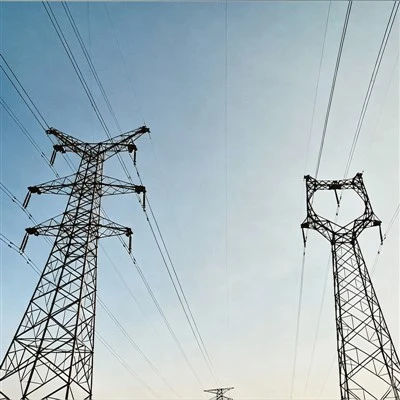
First off, let’s get the elephant out of the room: wood poles rot because of things that eat away at organic material—fungi, termites, moisture, even those little wood-boring beetles that show up in humid areas. Steel? That’s metal. It’s not organic, so fungi can’t turn it to mush, right? But wait, don’t grab your contract for steel poles just yet—steel has its own weaknesses, and “rot” for steel is a whole different beast. People often mix up “rot” (decay of organic material) with general degradation, so I need to clear that up first. When folks ask if steel utility poles “rot,” they’re usually worried about them falling apart prematurely, same as a rotted wood pole. The short answer is: no, steel doesn’t rot like wood, but it can corrode if you don’t handle it right, which ends up being a similar problem—just takes longer, and it’s preventable.
Let’s talk wood first to set the baseline. A standard wood utility pole (usually pine, cedar, or fir) gets treated with creosote or pentachlorophenol to fight rot, but that’s a temporary fix. Over time, that treatment wears off, especially where the pole meets the ground—that’s the ground line zone, the wettest part. Moisture gets trapped there, fungi break down the cellulose, and boom—you have a soft, spongy spot that makes the pole structurally unsound. Termites love that too, and in places like the Southeast US, termite damage can make a wood pole useless in 10 years, sometimes less. I’ve crew leaders tell me about poles in Florida that had to be replaced after 8 years because the ground line was just dust.
Now steel poles. What’s steel made of, anyway? Most utility poles are carbon steel, which is strong but can rust if exposed to oxygen and water. That’s where the confusion with rot comes in. Rust is a form of corrosion, not decay, but if it’s not controlled, it eats through the steel wall just like rot eats through wood. Let me give you a number to make this real: a 1/8-inch thick steel wall, if it corrodes at 0.01 inches per year (which is average in moderate climates), will lose that thickness in 12.5 years. But if you’re in a coastal area where salt air is thick, corrosion can be 3 to 10 times faster—so that same wall might only last 2 to 4 years if you skip the right coating. Wait, that sounds bad, but hold on—wood rots at way higher rates in those same areas. A cedar pole in Miami might only last 12 years, right? So steel can match that, but with a bit of prep, it can last way longer.
Here’s the part most suppliers won’t tell you: we don’t just sell plain steel poles. We apply a hot-dip galvanized coating before they leave our facility. That’s a process where we dip the whole pole into molten zinc, so the zinc bonds to the steel and forms a protective layer. Think of it like a rust-proof shell. Hot-dip galvanized is way better than paint because it’s thick, it covers every little crevice, and it doesn’t chip as easy during transport or installation. How long does that coating last? In rural areas with clean air, it can hold up for 50+ years. Even in mild coastal areas, it’s not uncommon to get 30-40 years out of a galvanized steel pole. Compare that to a treated wood pole, which maxes out at 25-30 years in the same mild coastal spot. That’s a huge difference.
But wait, what about places with super harsh conditions? Like salt marshes, or industrial areas with lots of chemicals in the air? Regular hot-dip galvanizing might not be enough. That’s where we have options like powder coating or even a duplex coating (galvanizing plus a top coat) that adds an extra layer of protection. A client in Louisiana installed our duplex-coated steel poles along a bayou with brackish water 7 years ago, and last time we checked, they’re still in perfect shape—no visible corrosion at the ground line. Their old wood poles there were replaced every 10 years because the salt water seeped through the treatment and rotted the base. So even in tough spots, steel holds up better if you spec the right coating.
Another thing wood poles can’t handle: extreme weather. I’ve seen wood poles split during ice storms, or snap in high winds because the wood fibers weaken over time from rot. Steel poles are way more rigid, and with proper bracing, they can withstand 150+ mph winds—way more than most wood poles. What about insects? Termites don’t eat steel (shocker, I know), and wood-boring beetles can’t drill through a galvanized coating. That’s a win for anyone in areas with big pest problems.
But let’s not pretend steel has zero downsides. One common issue people miss is “ground line corrosion” even on galvanized poles. Why? Because when you install the pole, you have to dig a hole, backfill it. If the backfill has rocks, sharp dirt, or even salt (if the site was near a road that uses de-icing salt in winter), that can scratch the galvanized coating over time. Once the zinc is scratched, the steel underneath is exposed to moisture and starts rusting. That’s easy to fix, though—when you do a ground line check every few years, you can just touch up the coating with a zinc-rich paint. Wood poles don’t have that option; once rot sets in at the ground line, you’re replacing the whole pole, no touch-ups.
Another myth: steel is more expensive upfront. Let’s do the math. A 30-foot wood pole might cost $800-$1,200 installed. A comparable galvanized steel pole is $1,200-$1,800 upfront. But over 50 years, the wood pole needs to be replaced twice (every 25 years), so total cost is $2,400-$3,600. The steel pole? It lasts 50+ years, so total cost is $1,200-$1,800. That’s a huge difference for municipalities or utility companies with big fleets of poles. I’ve had a city council member tell me they switched to steel poles after realizing they were spending $500k a year on wood replacements in their coastal district—now that cost is less than $100k a year for inspections and touch-ups.
Wait, but what about when steel does corrode? Is that the same as wood rot? No. Rust is a surface issue at first, and you can see it before it becomes a problem. Wood rot is internal—you can’t tell how bad it is until you drill into it or it starts splitting. I once had a job where a wood pole that looked totally fine from the top had 2 inches of rot at the ground line, hidden under the backfill. Steel, on the other hand, will show tiny rust spots first. It’s easy to catch early and fix. That’s a big deal for maintenance teams—less surprise replacements, more predictable upkeep.
I should also mention that some people confuse steel utility poles with “wood-steel composite” poles, which are a different product. Those are sometimes called “hybrid” poles, with a wood exterior and steel core, but that’s not what we make. Our poles are all steel, from base to top, so no organic material to rot, period. That’s a key point—if you’re talking about actual steel poles, they don’t have the organic components that make wood rot. The only way they “fail early” is if the coating is bad, or it’s installed wrong, or you pick a cheap, thin steel pole with no galvanizing.
Let me share a real example. Last year, a utility company in Oregon had a problem with their wood poles rotting because of a fungus called armillaria, which attacks tree roots and spreads to the base of the pole. They replaced 120 wood poles with our galvanized steel poles. Two years later, they called me to order 80 more—turns out the first 120 had zero issues, even near trees where the fungus was a problem. They said the maintenance crew didn’t have to do any checks on the steel poles, whereas with wood, they were climbing every 6 months to tap the base and look for rot. That’s the kind of feedback we live for.
Now, I know there are still people who swear by wood poles, and that’s fine—wood is cheaper for small, low-voltage applications, or if you’re only going to need a pole for 10 years. But for anything long-term, high-voltage, or in a harsh environment, steel is the way to go. And the “does it rot like wood?” question? No, because it’s not wood. It has its own wear and tear, but that’s corrosion, which is manageable, predictable, and usually way slower than wood rot.

If you’re in the market for poles, or you’re just curious about which is better for your site, don’t hesitate to reach out. We can help you spec the right coating, the right wall thickness, even give you a breakdown of costs over time so you can see the value. I’ve been in this game for 12 years, and I’ve seen way too many people regret going with cheap wood poles when steel would have saved them money and hassle in the long run. Don’t be that person. Reach out, and let’s chat about your project.
Power Transmission Tower References
- American Galvanizers Association. (2022). “Galvanized Steel for Utility Poles: Service Life and Performance.”
- International Society of Arboriculture. (2021). “Wood Pole Degradation and Rot: Causes and Prevention for Utility Infrastructure.”
- North American Electric Reliability Corporation (NERC). (2023). “Utility Pole Infrastructure Durability Report: 2018-2023.”
- Corrosion Doctors. (2022). “Corrosion vs. Rot: Key Differences in Structural Materials.”
- Wood Preservers Association. (2020). “Service Life Expectancy of Treated Utility Poles by Climate and Location.”
Qingdao Hongyuanfeng Power Equipment Co., Ltd.
Hongyuanfeng is one of the most professional steel utility pole manufacturers and suppliers in China, also supports customized service. Please feel free to wholesale advanced steel utility pole in stock here from our factory. Good service and quality products are available.
Address: No.42 Fengwu Road, Beiguan Industrial Park, Jiaozhou City
E-mail: 13808970205@163.com
WebSite: https://www.hyfsteelpod.com/
