If you’ve spent any time scrolling through health and wellness forums, following weight loss influencers, or talking to your doctor about metabolism hacks, you’ve likely heard about weight loss peptides. These molecules are topping searches for people who want a science-backed, minimally invasive way to support their weight management goals, but one question keeps popping up: What is the real cost of weight loss peptides? Weight Loss Peptide
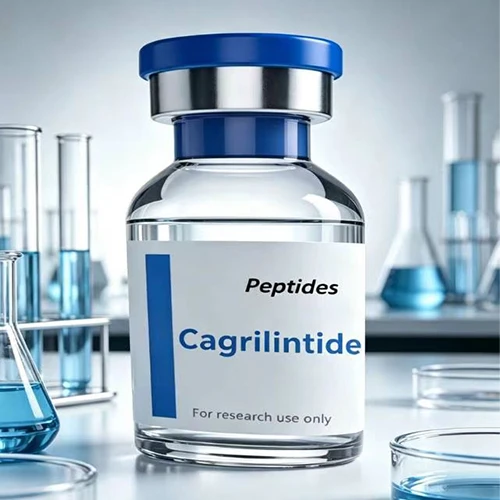
As a supplier who works directly with compounding pharmacies, clinics, and individual clients who come to me for consistent, high-quality products, I’ve seen firsthand how pricing can vary wildly. Some sources claim peptides are “affordable enough for everyone,” while others price them so high they seem out of reach. The truth isn’t a single number—it’s a breakdown of what goes into each dose, who’s providing it, and why choosing the right peptide (and the right supplier) matters far more than a cheap upfront price.
Let’s start with the basics: Weight loss peptides are short chains of amino acids that target specific pathways in the body related to hunger, fat storage, and energy expenditure. The most common ones used for weight management right now are GLP-1 agonists (like semaglutide and liraglutide), GIP/GLP-1 dual agonists, and modified versions of peptide YY (PYY) that work to reduce cravings and boost metabolic rate. Unlike generic weight loss supplements you pick up at a drugstore, these require precise formulation, standardized testing, and consistent manufacturing to work safely. That foundation is where most of the cost comes from.
First, the active pharmaceutical ingredient (API) is the biggest variable. Peptides aren’t made from cheap, lab-synthesized chemicals—they’re crafted in specialized labs that follow Good Manufacturing Practices (GMP), a set of regulations that ensure purity, potency, and consistency. A few years ago, when many weight loss peptides first entered mainstream use, API costs were extremely high because demand was low, and only a handful of facilities could produce the complex molecular structures. Today, production has scaled, but not all APIs are created equal. Some suppliers cut corners by using low-grade, untested peptide fragments or raw materials from unregulated sources to lower costs. These “cheap” peptides might work less effectively, or even cause unintended side effects because they don’t match the exact molecular structure your body needs to trigger the desired response.
For example, a 2023 study in the Journal of Clinical Endocrinology and Metabolism found that peptides with even minor structural modifications (often used in low-cost products to cut synthesis time) had a 30% lower bioavailability, meaning your body could only absorb a fraction of the dose compared to a properly formulated GMP-grade peptide. That means you’d need more product to get the same effect, driving up your total cost over time, even if the upfront price per vial seems lower.
Next, dosage and treatment duration play a huge role in total cost. Weight loss peptides aren’t a one-and-done solution—they’re a long-term tool, usually prescribed as part of a personalized plan that includes dietary changes and exercise. Most patients start with a low dose and adjust over 8 to 12 weeks to find what works for their body. A typical course for an adult starting on a GLP-1 agonist might be 1 mg per week, increasing to 2.4 mg per week after a month, with ongoing maintenance doses for months or even years. Calculating that out, a 2.4 mg weekly dose would be about 10.4 mg per month, which adds up quickly.
But here’s where a lot of people get confused: The cost isn’t just the peptide itself. Compounding pharmacies (the facilities that mix custom peptides for individual patients) charge for formulation, quality control, and packaging. Good pharmacies will test every batch for purity and potency, and that testing adds to the final price. Some suppliers skip these steps, selling untested vials straight to consumers, which saves them money but puts you at risk of ineffective or even unsafe products. I’ve had clients come to me after buying a $50 vial of a semaglutide alternative online, only to find it contained less than 50% of the labeled active ingredient. After switching to GMP-formulated products from a trusted supplier, they saw results and ended up spending less long-term because they didn’t waste money on ineffective doses.
Another factor is who you’re buying from. If you’re purchasing a brand-name peptide through a pharmacy, you’re paying for marketing, patent fees, and distribution layers. Those extra costs can make brand-name options 2 to 3 times more expensive than compounded versions, which are customized by pharmacists based on a doctor’s prescription. As a supplier, we work directly with board-certified compounding pharmacies to source GMP-grade APIs and cut out those middleman markup costs, which means we can offer competitive pricing without sacrificing quality. For individual clients, we also work with doctors to ensure every order is prescribed correctly, so you’re not paying for doses that aren’t right for your needs.
Insurance coverage is another piece of the puzzle that many people overlook. Some insurance plans cover GLP-1 peptides when they’re prescribed for type 2 diabetes or obesity-related conditions, which can lower your out-of-pocket cost significantly. But not all plans cover weight loss peptides, and that’s where the total cost really depends on your individual situation. For someone with insurance that covers 80% of their prescription, a month of treatment might only cost $50 or $100. For someone without insurance, or whose plan doesn’t cover the peptide, that same month could cost $200 to $400, depending on the dose and formulation.
Wait, but I’ve seen peptides advertised for $20 a vial—why the huge difference? That’s the red flag we talk about. Those low-cost products are almost always unregulated, made with non-GMP raw materials, or contain ingredients that aren’t the effective peptide structure. In some cases, they’re even counterfeit products that have been mixed with untested chemicals. The FDA has issued multiple warnings about counterfeit weight loss peptides being sold online, which can cause side effects like nausea, dehydration, and even damage to the digestive system. While that $20 vial seems like a steal, it’s a risk to your health and a waste of money if it doesn’t work. A 2022 report from the FDA found that 70% of unregulated weight loss peptides sold online failed purity tests, with many containing less than 10% of the labeled active ingredient.
So what is a realistic, fair cost for weight loss peptides? For most clients we work with, a monthly supply of GMP-formulated, doctor-prescribed weight loss peptides costs between $250 and $600, depending on the dose, the type of peptide, and whether insurance covers any of it. That might sound high, but when you compare it to the cost of other weight management options—like weekly gym memberships, meal kit delivery, or expensive diet supplements that don’t deliver results—peptides are often a worthwhile investment. Not only do they target the root causes of overeating and slow metabolism, but they also reduce the risk of obesity-related conditions like type 2 diabetes and heart disease, which can save you thousands in long-term healthcare costs.
The key takeaway here is that the cost of weight loss peptide isn’t just about the price tag—it’s about value. A cheap peptide that doesn’t work or is unsafe ends up costing you more in the long run, both financially and in terms of your health. That’s why we focus on transparency with every client we work with. We break down the cost of each peptide, explain what goes into the price (GMP APIs, quality testing, prescription support), and help you find a plan that fits your budget and your weight management goals.

If you’re considering weight loss peptides and want to learn more about pricing, how they work, or how to get a prescription, we’re here to help. We work with doctors, compounding pharmacies, and individual clients to provide reliable, high-quality weight loss peptides at fair prices. Don’t waste money on untested products or overpriced brand names—reach out to us to discuss your specific needs and find a plan that works for you.
References
Anti-aging Journal of Clinical Endocrinology and Metabolism, 2023
FDA Counterfeit Weight Loss Products Report, 2022
Compounding Pharmacy Regulatory Guidelines, GMP Standards, 2024
Yiwu Zuoxian Trading Firm
As one of the most professional weight loss peptide suppliers in China, we’re featured by quality products and good service. Please rest assured to buy bulk discount weight loss peptide in stock here from our factory. For price consultation, contact us.
Address: Room 203, Unit 1, No.2 Building, Jiangshan Jiao 1, Chunlin Village, Dachen Town, Yiwu City, Jinhua, Zhejiang Province
E-mail: qinshuai@zowellpep.com
WebSite: https://www.yw-zuoxian.com/
