Hey everyone, thanks for popping in to my corner of the rubber world—if you’ve ever worked with EPDM, you know it’s the unsung hero of so many industries, right? Today, I wanna talk about something that trips a lot of folks up: the diene part of EPDM. Like, when someone says “EPDM with ENB vs. dicyclopentadiene (DCPD) vs. another diene,” it’s not just a random detail—this is the stuff that makes your seals last, your hoses flex, your roof membranes hold up. I’m a supplier, so I deal with this every single day, and I’ve seen first-hand how picking the right diene makes or breaks a project. Ethylene Propylene Diene Rubber
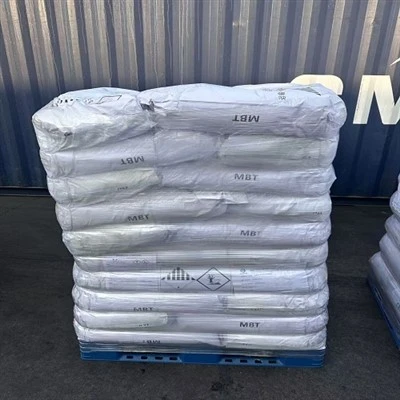
First, let’s do a quick, no-jargon recap: EPDM is made from ethylene, propylene, and a third component—the diene. That double bond in the diene is how we cure it, right? Without that little double bond, you can’t cross-link the rubber into the stuff we actually use. But not all dienes are created equal, and each one brings totally different traits to the table. Let’s break down the big three you’ll hear about most, because that’s 90% of what our customers reach out for.
First up: Ethylidene Norbornene, or ENB for short. This is the workhorse diene, and it’s what 70% of the EPDM we supply uses. Why is it so popular? Let’s get real—ENB gives you the highest cure rate, full stop. If you’re molding parts that need to hold tight tolerance, like automotive engine seals or HVAC gaskets, you don’t wanna wait around for a slow cure. ENB lets you run faster press cycles, which saves our customers money on production time. But here’s the part most people don’t mention upfront: ENB EPDM has way better weather resistance than the other guys. I’m talking UV, ozone, extreme temp swings—think that rubber roof on a storage unit that sits in the desert 100°F days and drops to 20°F at night? That’s ENB. We ship a ton of it for those roof membranes, and the feedback is always the same: no cracks, no leaks, even after 10 years. It also stretches really well without breaking—great for window seals that have to move when a house settles.
Wait, but ENB isn’t perfect. I’ve had customers who hate ENB for specific jobs. What’s the catch? It’s way more reactive in sulfur cures than the other dienes, so if you’re using a peroxide cure (which some folks do for super high heat applications), ENB can cause too many side reactions—your rubber might get stiff or brittle before it’s even molded. Also, ENB’s compression set? Don’t get me wrong, it’s good, but DCPD edges it out for some high-load parts. Oh, and one more thing: if you’re working with food-grade applications? ENB can leave a tiny residual taste sometimes, so we avoid it for things like dishwasher hoses or food processing seals. Got that: ENB = fast cure, great weather resistance, not the best for peroxide cures or food contact.
Next diene: Dicyclopentadiene, or DCPD. This is the old-school diene, the one that’s been around since EPDM was invented in the 1960s. I still get requests for DCPD EPDM every week, usually from guys who’ve been in the game for decades and know its quirks. What makes DCPD different? First, it’s way cheaper than ENB, full stop. If you’re making a low-cost part that doesn’t need fancy weathering, like agricultural hoses that get buried in dirt or low-stakes gaskets for industrial equipment, DCPD is your guy. The cost savings add up quick for big runs—we’ve had a farmer order 5,000 feet of DCPD hose rubber, and he saved enough to buy a new set of plows. That’s a real story, by the way. DCPD also has better compression set than ENB, which means if you need a seal that stays tight under constant pressure—like the gaskets on a water pump that runs 24/7—DCPD won’t squish out and leak after a few months. It’s also way more stable in peroxide cures, so if you’re making parts that go in 300°F engines, DCPD EPDM won’t break down like ENB might.
But here’s the downside of DCPD: it’s way slower to cure. Like, you can’t run your press cycles as fast, which is a bummer for high-volume parts. And the weather resistance? It’s good, but not near ENB’s level. Leave a DCPD part in direct sun for two years, and you’ll see it get chalky and crack. We learned that the hard way early on—we supplied a DCPD roof membrane to a client, and they called us back after 18 months saying it was splitting. We swapped them to ENB, and now they never ask for DCPD for roofs again. Also, DCPD tends to discolor over time, so if you need a white or bright colored part (like kids’ playground equipment seals), DCPD might yellow after a year. That’s why it’s mostly for hidden or low-visibility stuff.
Now, what about the other dienes? There’s something called Vinyl Norbornene (VNB) and 1,4-Hexadiene (1,4-HD) that you’ll hear about for super specific jobs. Let’s keep this short, because those are the outliers. VNB is for high-speed cure applications—even faster than ENB, great for injection molding tiny parts like O-rings for medical devices, but it’s way more expensive, so we only supply it when a customer specifically asks. 1,4-HD is for cold flexibility—think parts that go in Arctic machinery, where temps drop to -40°F. That’s the only time we reach for 1,4-HD; it stays pliable when ENB or DCPD would turn hard and snap. But it’s not good for weather resistance, so you can’t use it outdoors.
Okay, so how do you pick? Let’s walk through a quick scenario to make this concrete. If you’re a automotive parts maker making a door seal that needs to last 15 years in rain, sun, and snow: go ENB. If you’re a farm equipment guy making a hydraulic hose that only needs to last 5 years underground: DCPD. If you’re a medical device maker making a tiny O-ring that needs to be injection molded in 10 seconds flat: VNB. If you’re a mining company making a seal for a drill that works in -30°F weather: 1,4-HD.
Wait, but let me tell you a mistake I see a lot of new buyers make. They think “all EPDM is the same, just pick the cheapest.” No way. I had a small construction company come to me a few years back, they bought the cheapest DCPD EPDM roof membrane for a job, and it started leaking after 6 months. They called me panicking, and I explained: DCPD isn’t made for roofs. We swapped them to our ENB roof grade, and that job is still holding after 5 years. That’s the kind of thing I live for—helping people avoid costly mistakes by just talking through what they actually need.
Another thing to note: we don’t just sell one type of EPDM per diene. We grade our ENB EPDM into different durometers, which is how hard the rubber is—softer for window seals, harder for gaskets. Same with DCPD: we have a low-compression set DCPD for pumps, and a cheap, flexible DCPD for agricultural hoses. It’s not just the diene, it’s how we formulate around it, but the diene is the foundation.
If you’re still confused—maybe you’re a designer, a buyer, a maintenance guy who needs a new part and doesn’t know where to start—hit me up. I don’t do sales pitches that feel like scripts. I’ll ask you what the part is for, what temp it sees, if it’s outside or inside, what kind of pressure it needs to hold, and then I’ll tell you exactly which diene EPDM you need, no upsells, no jargon. I’ve been doing this for 12 years, so I’ve seen every possible use case.
Wait, one last quick tip: if you ever see an EPDM specification that just says “EPDM rubber” without mentioning the diene? Run that by a supplier before you buy. That’s a red flag. A lot of cut-rate suppliers mix dienes to cut costs, and the result is a rubber that doesn’t do what you need. We always list the diene right in our product specs, because we stand behind what we sell.
So, if you’re ready to stop guessing and get the right EPDM for your next project, just reach out. We can send samples, walk you through specs, answer any dumb questions (I’ve had a lot of dumb questions—remember, I started out not knowing the difference between dienes and rubber bands, so no question is too small). I’m here to help you get a part that works, lasts, and doesn’t cost you more in the long run.

Cheers,
[Your Supplier Name]
Synthetic Rubber References:
- Coran, A. Y. (2001). Science and Technology of Rubber (3rd ed.). Academic Press.
- Morton, M. (1987). Rubber Technology: Composition and Properties of Rubbers and Compounds. Van Nostrand Reinhold.
- European Rubber Manufacturers’ Association (ERMA). (2019). EPDM Material Specification Guidelines.
- Bhowmick, A. K., & Stephens, H. L. (2013). Handbook of Elastomers (2nd ed.). CRC Press.
Heze Great Bridge Chemical Co., Ltd.
With abundant experience, we are one of the most professional ethylene propylene diene rubber manufacturers and suppliers in China. We warmly welcome you to buy high quality ethylene propylene diene rubber in stock here and get pricelist from our factory. Good service and reasonable price are available.
Address: No.1679 Renmin Road,Heze City,Shandong,China
E-mail: export@greatbridge-chem.com
WebSite: https://www.greatbridgechem.com/
