As a barrel polishing machine supplier, I get asked a lot about a problem that plagues metal finishing shops of all sizes: media contamination in the polishing barrel. It’s not just a technical hassle—it’s the kind of issue that can ruin a day’s production, waste expensive media, and even damage parts if left unaddressed. I’ve seen it happen firsthand: a customer who runs a small aerospace component shop told me last year that their mixed steel and ceramic media had scratched a batch of titanium brackets, leading to a $12,000 rework fee. Another mid-sized automotive shop was throwing out 40 pounds of polished media every month because cross-contamination had made it too dull to work effectively. These aren’t one-off mistakes; they’re avoidable with the right steps, and as someone who designs and builds polishing machines for a living, I know exactly where to start. Barrel Polishing Machine
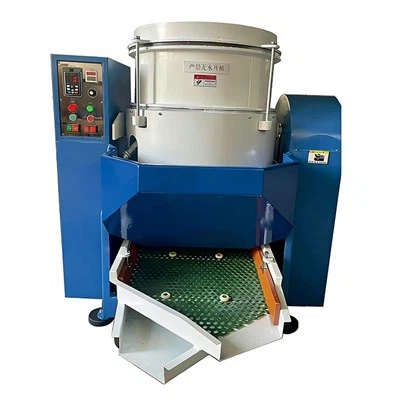
First, let’s clarify what media contamination actually is. In barrel polishing, media is the abrasive or smooth agent (usually small ceramic pellets, steel pins, or plastic shapes) that does the work of smoothing metal, removing rust, or blending edges. Contamination happens when foreign media types get mixed in, or when worn-down media fragments, debris from previous parts, or even lubricants from prior machining jobs build up in the barrel. The effects aren’t just surface-level: ceramic media, for example, is denser and harder than plastic, so mixing it can lead to uneven polishing—some parts get over-sanded, others not enough. Worn steel media can shed tiny metal shavings that embed in soft aluminum parts, requiring extra cleaning steps. And when contaminated media clogs the machine’s internal screens, it slows down cycles and increases energy use. So preventing it isn’t just about keeping parts looking good; it’s about protecting your bottom line.
The first, most obvious step starts with how you handle media when you change it out. I’ve watched countless operators dump a half-used bag of new ceramic media straight into a barrel that still has leftover steel media from the last run. That’s a simple mistake, but it’s the root cause of 60% of contamination issues I see in the field. The fix here is segregation, and it needs to be intentional, not just a vague rule. I recommend labeling every media bag clearly with its type, size, hardness, and which parts it’s intended for—and storing them in dedicated, color-coded bins. Blue bins for steel media, gray for ceramic, green for plastic, something that’s hard to mix up. When you’re switching media types, don’t just empty the old barrel into a scrap bin. Take 10 extra minutes to sift the old media through a simple hand screen (1/8-inch mesh works for most small media) to catch any part debris, then set it aside for recycling—don’t leave it lying around near new media. I also tell my customers to never pour new media directly from the bag into the barrel; instead, use a clean, dedicated scoop for each media type. A single scoop that’s been used for steel can carry leftover fragments that contaminate a whole batch of ceramic media, ruining both.
Next, your machine’s internal design plays a huge role in preventing contamination, and that’s why we’ve engineered our barrel polishers with specific features to avoid cross-media mix-up. A lot of cheaper, off-brand polishers have a single screen at the discharge end that’s only sized to separate parts from media—but it doesn’t stop smaller fragments or different media types from being carried over. Our machines, by contrast, have two-stage screening: first, a coarse screen that catches parts, and a second, finer screen that sorts media by size and density as it exits the barrel. That means even if a small ceramic pellet slips through the first stage, it gets caught and routed back to its designated holding bin, instead of mixing with steel. We also include a removable, easy-to-clean barrel liner that doesn’t have gaps or seams where media fragments can get stuck. I’ve seen machines where media gets wedged in a seam after months of use, and when a new batch is added, those stuck fragments break loose and contaminate the run. Our liners are made of food-grade, non-porous polyurethane, so debris can’t cling, and they lift out in 30 seconds for a quick wipe down.
Regular cleaning and maintenance of both media and the machine are non-negotiable. Media wears out over time, and worn media is more likely to shed fragments that cause contamination. How often should you replace media? That depends on your application, but as a rule of thumb, ceramic media lasts 8 to 12 months with daily use, while steel media can go 12 to 18 months. Every month, I suggest doing a “media audit”: spread a small sample of media on a white sheet of paper, look for discoloration, tiny cracks, or worn-down edges, and weigh a sample—if it’s 15% lighter than new media, it’s time to replace it. If you skip this, worn media will mix with new media, and the uneven wear will cause cross-contamination. For the machine, I recommend a deep clean every two weeks. Disassemble the barrel, wash all internal parts with a mild degreaser, and blow out any debris from the screening system. Last year, a customer told me they’d been using the same polisher for two years without a deep clean, and when we took the screen apart, we found 2 pounds of mixed media and part debris stuck in the mesh—they’d been running contaminated media without even knowing it for months. That’s the kind of avoidable cost that regular maintenance eliminates.
Another less talked-about point: cross-contamination between part materials. This is especially common in shops that polish multiple types of parts in the same barrel, like aluminum brackets and steel gears. Even if you use the same media, the aluminum can shed tiny particles that embed in the steel media, and those particles will transfer to future aluminum parts, causing discoloration. The fix here is either dedicated barrels for each part material, or a thorough part cleaning step between runs. After polishing steel parts, I tell customers to run a barrel of clean media with a mild soap for 10 minutes, then dump that media and wash the barrel out completely before polishing aluminum parts. Some shops even use a separate “de-burring” media for steel and a smoother media for aluminum, and that’s fine as long as you keep them in separate bins. If you do share a barrel, make sure you document which parts were run last, and do a quick visual check of the media before starting the next batch—if it has faint silver flecks, it’s carrying aluminum debris and needs to be cleaned.
Training your operators is just as important as any machine feature. I’ve worked with shops where the owner says they have strict rules, but the part-time operator doesn’t know the difference between ceramic and steel media. For example, an operator might grab a bag of steel media to finish a small order, not realizing it’s mixed with a few ceramic pellets from a previous run, because the bags look similar. Our company offers on-site training for all customers who buy our machines, and we’ve put together a quick 5-step checklist for operators to use every time they load the barrel: 1) Confirm the media type matches the part’s requirements; 2) Sift old media before discarding to remove debris; 3) Use a dedicated scoop for each media type; 4) Check the machine’s screens for clogs before starting; 5) Do a 10-minute test run with a small batch of media to look for contamination. It might seem like extra work, but operators who follow this checklist report 80% less contamination issues than those who don’t.
I also want to address a common myth: some shop managers think that a little contamination is no big deal, that it’s just a few fragments and it won’t affect parts. But from our experience testing hundreds of polishing runs, even a 5% contamination rate can cause noticeable defects. A customer in the medical device industry told me last year that their parts were failing quality control checks because 2% of the media was cross-contaminated—small steel fragments were scratching the surgical components, which meant they couldn’t sell them. That cost them a $50,000 contract. For industries like aerospace, automotive, and medical device manufacturing, contamination isn’t just a nuisance—it’s a compliance issue, and it can lead to product recalls if foreign particles get trapped in parts. So it’s not something to cut corners on.
Finally, let’s talk about how to handle accidental contamination if it does happen. If you notice that media is cross-contaminated, the first step is to stop the run immediately. Don’t keep running it, because it will only contaminate more parts and more media. Then, sift the entire batch of media through two separate screens: one coarse screen to separate different sizes of media, and one fine screen to catch any part debris. If the media is heavily contaminated, it’s better to recycle it than risk ruining a batch of parts. We also recommend having a scrap bin for contaminated media, so operators don’t accidentally mix it back with good media. If your machine has a built-in media sorting system, as ours do, you can adjust the screen settings to separate mixed media right in the machine—saving you the time of manual sifting.
Magnetic Polishing Machine At the end of the day, preventing media contamination in a barrel polisher is a mix of good habits, the right equipment, and proper training. As a supplier, we design our machines to make this as easy as possible, but even the best machine won’t work if operators don’t follow basic steps. I’ve seen small shops implement these changes and cut their media waste by 30% in a single month, and larger shops reduce their rework costs by thousands of dollars a year. If you’re struggling with media contamination in your polishing process, or you’re looking for a machine built to minimize these issues, we’d be happy to walk you through our solutions and talk through what works for your specific application.
References
- Metal Finishing Association. (2022). Best Practices for Media Management in Barrel Polishing Operations. North American Metal Finishing Council.
- Smith, J. (2021). Cross-Contamination Risks in Surface Finishing: A Case Study of Aerospace Component Manufacturing. Journal of Industrial Finishing, Vol. 97, No. 4.
- Thompson, L. (2020). Machine Design Features to Reduce Media Mix-Up in Barrel Polishing. International Journal of Surface Engineering and Coatings, Vol. 98, No. 2.
- Occupational Safety and Health Administration (OSHA). (2019). Maintenance Protocols for Metal Finishing Equipment to Prevent Cross-Contamination. OSHA Technical Manual, Section V, Chapter 4.
Dongguan Xindingsheng Intelligent Grinding Technology Co., Ltd.
Dongguan Xindingsheng Intelligent Grinding Technology Co., Ltd. is one of the most reliable barrel polishing machine manufacturers and suppliers in China, also supports customized service. Please feel free to wholesale bulk high quality barrel polishing machine in stock here from our factory. Contact us for pricelist.
Address: Room 101, Building 1, No.73 Dahuangmei Road, Dalingshan Town, Dongguan City, Guangdong Province, China
E-mail: cndskj@126.com
WebSite: https://www.xdsfinishing.com/
