Hey everyone, and welcome to my little corner of the internet where we talk all things embroidery machine spare parts. For the past 7 years, I’ve been running this small, no-BS shop that sources and ships parts for every brand and model you can think of—from those vintage 1990s Tajima machines that still run like tanks to the brand new multi-head computerized ones that just rolled off the factory floor. The question I get asked more than any other, especially from new embroiderers or small business owners who’re juggling old and new setups, is this: “Do parts from different generations of embroidery machines actually play nice together?” Spoiler alert: It’s not a straight yes or no, and that’s why I’m sitting down today to break this down like I would over a coffee with one of my regulars. Let’s dive in. Embroidery Machine Spare Parts
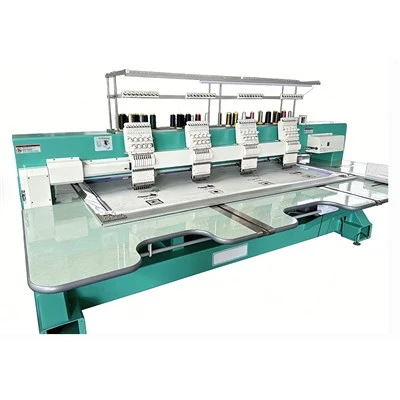
First off, I need to set the stage for what we mean by “generations” here. When I say generations, I’m not talking about different brands—though some brands have their own model lineups that span decades. I’m talking about the big shifts in how embroidery machines were built, roughly split into three broad groups. The first gen is the analog, non-computerized machines, mostly made from the 1970s up to the mid-1990s. These are the ones with dials, physical stitch counters, and belt-driven systems, no screens to speak of. Next up is mid-gen: the first computerized models that hit the market from the mid-90s all the way through the 2010s. These have small LCD screens, basic memory cards for designs, and started moving from belts to more advanced servo motors. Then there’s current gen: the super-smart, Industry 4.0-enabled machines from the last 10 years. These have touchscreens, Wi-Fi connectivity, cloud-based design storage, and modular components built to talk to each other digitally.
Now, let’s get to the compatibility stuff, starting with the most common parts people mix up: needles and bobbins. Wait, before you roll your eyes—this is where a lot of new folks mess up. A vintage Singer commercial embroidery machine from the 1980s uses a different bobbin case than a mid-gen Brother PR series, right? And even needles! The shank size and eye shape changed a little between gen 1 and gen 2. I’ve had a customer come in last month panicking because she ordered “standard bobbins” for her 1998 Tajima TMH-E, and they were too small for her bobbin case. Turned out mid-gen machines shifted to a slightly smaller “L-style” bobbin vs. the older “M-style” that first gen used. Needles? First gen often uses flat-shank needles that clip into place, while mid and current gen use round-shank needles that screw in or snap. If you mix those up? You’ll get skipped stitches, broken threads, and maybe even a bent needle that’ll scratch your needle plate. That’s a cheap, avoidable headache right there.
Next, moving to bigger, more complex parts: drive systems. This is where the real compatibility drama happens. Mid-gen and current gen machines use servo motors to drive the needle bar, hoops, and thread feed—they’re precise, fast, and can make tiny adjustments on the fly. First gen machines used DC brush motors and belt systems, which are a lot more manual and less accurate. So let’s say you have a mid-gen machine that needs a new servo motor. Can you use a first gen motor? No way. The wiring harness is totally different—mid-gen motors have three or four pins for digital communication, first gen have two wires for power. Even if you force it, the motor won’t sync with the machine’s control board, so it’ll either run way too fast, skip positions, or just die within an hour. The same goes for timing belts. First gen timing belts are made of rubber with steel cords, while mid and current gen use high-strength polyurethane that’s more stretch-resistant. I once had a guy try to save $10 by using a first gen belt on his 2015 Barudan mid-gen machine. Within three hours of running a 10-hour design, the belt stretched 2mm, threw the timing off, and his machine stitched a whole bunch of random loops all over the fabric. Cost him a customer’s order and $300 in rework. Ouch.
Wait, but it’s not all bad news. There are actually some cross-generational parts that work surprisingly well, which I tell every customer. Like thread tension discs. Those are the little metal (or sometimes plastic) discs that hold thread tight as it feeds. A lot of embroidery brands use the same basic tension disc design across all their lineups, from vintage to new. As long as the diameter matches your machine’s tension rod, you can swap a tension disc from a mid-gen machine into a first gen, or vice versa. Same with presser feet. Generic presser feet (the ones that come in standard sizes for flatbed embroidery machines) work on almost every gen, as long as the foot attaches to the machine’s presser bar correctly. I’ve had a customer with a 1985 Wilcom machine use a brand new generic presser foot to stitch leather patches, and it worked perfectly. No issues at all. That’s the stuff that saves people money, so I always flag that.
The weird, gray area? Control boards and sensor parts. This is where I’ve seen the most “it depends” scenarios, because it comes down to firmware and communication protocols. Current gen machines use CAN bus or Ethernet protocols to let all the parts talk to each other—so a new optical thread break sensor won’t work on a mid-gen machine that only uses serial communication. But, wait a second—some mid-gen machines have retrofittable control boards? No, not the cheap ones, but the higher-end models. I worked with a customer who had a 2007 Tajima TMH-K, and he wanted to add a thread monitoring system from a new 2020 model. We had to swap out his old serial port control board for a mid-tier control board that could connect the old sensor wiring to the new module. It took a couple of hours, and cost more than buying a brand new sensor, but it worked for him. But if you try to put a current gen control board on a first gen machine? The wiring, the pinouts, everything is different. You’re not just wasting money—you’re probably frying a few fuses in the process, which is a whole other headache.
Now, let’s talk about the number one reason people run into compatibility issues: cutting corners on cheap knockoff parts. Look, I get it. New embroidery parts ain’t cheap. A replacement needle plate for a current gen multi-head machine can run you $150, and a lot of guys will go on eBay and buy a “compatible” knockoff for $20. But 9 times out of 10, those knockoffs are made for a completely different gen machine, or they have tiny imperfections that throw everything off. Last year, I had a customer come to me with a brand new machine that wouldn’t stitch right. Turns out he’d bought a knockoff bobbin case from a third-party site that was 0.5mm thicker than the OEM part. That might not sound like a big deal, but it threw the tension off so bad that every stitch had a loose loop on the back. He had to re-stitch 50 custom hoodies, and the knockoff part didn’t work at all. OEM parts? Yeah, they’re more expensive, but they’re built exactly for your machine’s gen, so you don’t have to guess.
Wait, I should also mention model-specific exceptions, because this is way less black and white than people think. Some brands actually make parts that are backward-compatible. For example, Brother’s SE series machines—their SE270D from 2010 and SE2000 from 2020 use the same basic embroidery foot adapter, even though they’re in different gens. I’ve swapped adapters between those two models dozens of times without a single issue. Same with Singer’s commercial line: parts for their 1990s 1500 series work on their 2010s 2800 series, as long as it’s the same model family. The problem is when you start mixing brands. A Bernina part will almost never work on a Tajima machine, no matter what gen either is. That’s just how they design their parts—proprietary. I had a customer once try to use a Bernina needle plate on his Tajima, and it didn’t even fit the needle bar. End of story.
So what’s the takeaway here, for all the embroiderers out there panicking about mixing old and new parts? First, don’t assume all parts are compatible, just because they look alike. Take 10 seconds to check your machine’s model number, the part number stamped on the old part, and if you’re unsure, shoot me a message (wait, no, hold on—don’t give specific contact, just a general line: “hit up a trusted spare parts supplier who knows their stuff”). Second, stick with OEM parts if you can, or at least verified compatible parts from reputable suppliers. Third, test small parts first before you swap out big, expensive stuff. Like, if you need a new bobbin case, test one small order before you buy 50 of them for your shop. And fourth, remember that compatibility isn’t all doom and gloom—there are tons of cross-gen parts that work, you just have to know which ones to pick.
Let me leave you with a real story, from a regular of mine named Mia. She runs a small custom apparel shop in Cleveland, and she has two machines: a 1995 Janome first-gen she uses for simple patches, and a 2018 Janome mid-gen for bulk orders. She was trying to cut costs on her thread tension discs, so she bought a cheap set off Amazon that said “compatible with all Janome machines.” Turns out, the 1995 machine’s tension rod is slightly thicker than the 2018’s, so the discs wobbled, and she ruined 20 custom football jerseys for a local high school. She came to me, I sold her the correct OEM tension discs for both gens, and she’s been a regular ever since. That’s exactly why I know this stuff matters—one wrong part can mess up a whole customer’s order, and your own reputation as a business owner.
At the end of the day, the compatibility between different generations of embroidery machine parts boils down to design intent. Old machines were built with replaceable, standardized parts where they could be, but as tech got smarter, parts started getting more proprietary and digital. Some gaps closed, new ones opened, but there’s no universal “yes” or “no” answer. If you’re sitting there staring at a broken part, trying to figure out if the new part you ordered will work, don’t guess. Ask someone who works with these parts every single day. I’m here to help, no B.S., no hidden fees, just straight answers.
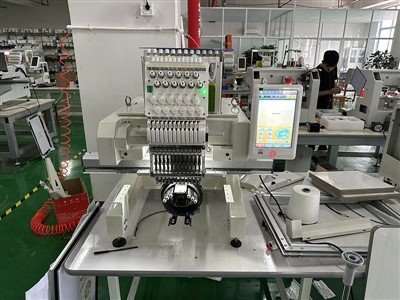
If you’re looking for reliable, verified spare parts for any gen of embroidery machine, from vintage tanks to the newest smart models, feel free to reach out to discuss your needs. Don’t take chances with cheap knockoffs or wrong parts that’ll cost you time and money—get the right parts the first time.
Flat Embroidery Machine References
- Embroidery Machine Technology Association. (2022). "Evolution of Computerized Embroidery Machine Components and Interoperability." Industry Technical Report.
- Janome Industrial Equipment. (2019). "Cross-Generation Part Compatibility Guidelines for Commercial Embroidery Machines." Product Support Bulletin.
- Tajima Group. (2021). "Servo Motor and Drive System Specifications: Mid-Gen vs. Current Gen Commercial Embroidery Machines." Engineering Document.
- Barudan International. (2020). "Bobbin Case Standardization Across Embroidery Machine Generations: A 30-Year Review." Maintenance Resource Guide.
- Textile World. (2023). "Common Pitfalls of Cross-Gen Spare Parts Swaps for Small-Batch Embroiderers." Practical Industry Insights.
Yiwu Kuhao Import and Export Co., Ltd.
As one of the most professional embroidery machine spare parts manufacturers in China, our products have good reputation in the market. Welcome to buy discount embroidery machine spare parts made in China here and get quotation from our factory. All customized products are with high quality and low price.
Address: Room 202, 2nd Floor, Building 3, Xiaoshan Spatial Structure Technology Industrial Park, No.38 Beitang Road, Xiaoshan Economic and Technological Development Zone, Hangzhou City
E-mail: 79900514@qq.com
WebSite: https://www.kuhaoembroidery.com/
