When I first started working as a plastic film supplier 12 years ago, I heard a lot of confusion from customers about what exactly goes into the films they use for packaging, agriculture, or industrial applications. One question that comes up more than any other is this: “Are there any additives in plastic film?” It’s a fair question, and over the years, I’ve learned that the answer isn’t a simple yes or no – it depends on the type of film, its intended use, and how it’s supposed to perform. Let me break this down from both a supplier’s perspective and the science behind it, because I’ve seen firsthand how understanding additives can help customers make better choices for their businesses. Plastic Film
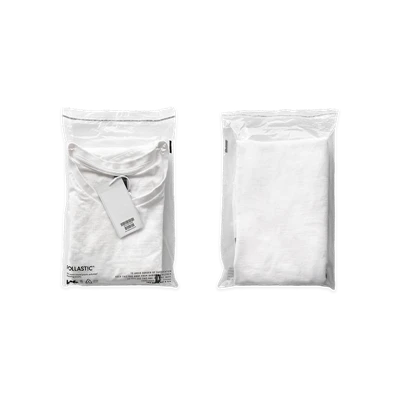
First, let’s start with the basics. Plastic film is mostly made from polymers – the long-chain molecules that give plastic its structure. For example, a standard polyethylene (PE) film, which is one of the most common types we supply, is around 90% to 95% base resin. The other 5% to 10% is where additives come in, and these aren’t just random “extras” – they’re carefully selected to solve specific problems. I remember a customer a few years back who was using a plain PE film for fresh produce packaging, and they were losing 20% of their stock to spoilage because the film didn’t let enough air circulate. By adding a small amount of a breathable additive, we adjusted the film’s permeability, and their spoilage rate dropped almost immediately. That’s the kind of real-world impact additives have.
Now, not all additives are the same, and not all films use them. A plain, low-density PE (LDPE) film for simple wrapping might have fewer additives, but most functional films – the ones that need to stretch, resist heat, block light, or keep contents fresh – will have a blend. Let’s go through the most common types, because this is where the science gets practical for our customers.
Slip and anti-block additives are probably the most widely used in plastic film. When two layers of plastic film are made, they tend to stick together – that’s blocking, and it’s a big problem for manufacturing lines that need to feed film into machines. Slip additives, like erucamide, migrate to the film’s surface and create a thin layer that reduces friction, so the film can slide easily. Anti-block additives, such as synthetic silica, sit between the layers and prevent them from adhering too tightly. I’ve had customers tell me before that their old film would jam their packaging machines every 10 minutes; switching to a film with the right balance of slip and anti-block additives fixed that in a day. It’s a small addition that makes a huge difference in production efficiency.
Next, there are stabilizers, which are non-negotiable for most films. Base polymers can break down when exposed to heat, sunlight, or even the shear force of manufacturing equipment. Heat stabilizers, like calcium stearate, prevent the film from deforming during extrusion – the process where we melt the resin and form the film. For outdoor films, like agricultural mulch or shrink wrap for construction, ultraviolet (UV) stabilizers are essential. These additives, such as hindered amine light stabilizers (HALS), absorb UV radiation so it doesn’t break down the polymer chains. Last summer, a farmer client came to us with a problem: their old mulch film had cracked after just two months in the sun, instead of the six months it should have lasted. We switched their film to one with UV stabilizers tailored for their region’s intense sunlight, and they told us it lasted the full season without issue. That’s the reliability we all aim for as suppliers.
Then there are functional additives for specific applications. For food packaging, we might use barrier additives to keep oxygen and moisture out – that’s how a bag of chips stays crispy for months. These are often things like ethylene vinyl alcohol (EVOH) or nylon, which are blended into the PE to create a layer that blocks gases. For films used in medical packaging, we might add antimicrobial additives to reduce bacterial growth – that’s critical for products like sterile bandages or medical device packaging. I’ve also worked with customers in the retail sector who want films that don’t let the color of their products fade, so we add color stabilizers to prevent pigment breakdown.
A question I get a lot is: “Are these additives safe?” It’s a valid concern, especially for food contact and medical uses. As a supplier, we only work with additives that meet global safety standards – like FDA regulations in the U.S., EU food contact materials (FCM) rules, and Canada’s Food and Drug Act. We test every batch of film we supply to make sure there’s no leaching, and we provide full documentation for all our customers. I remember a small bakery owner who was worried about their cake boxes using plastic film that might transfer chemicals. We walked them through the testing process, showed them the compliance certificates, and they’ve been a repeat customer ever since. Transparency about additives is just as important as the additives themselves.
Now, it’s also important to mention that some films have no additives, and that’s by design. For example, a very thin, simple wrap for temporary construction protection might just be base LDPE with nothing added. The goal there is low cost, not specialized performance. We also supply additive-free films for customers who need to use the film in processes where additives could interfere – like certain chemical packaging or artwork protection, where no migration is allowed. So it’s not that all films have additives; it’s that most films that serve a specific purpose do, and that’s a good thing.
I’ve seen a lot of misinformation online lately that paints all plastic additives as harmful, so let’s set the record straight. When used correctly, according to industry standards, additives make plastic film more durable, efficient, and safe. Without slip additives, films would be impossible to process on high-speed packaging lines. Without UV stabilizers, agricultural films would need to be replaced every few weeks, wasting resources. Without barrier additives, food would spoil faster, leading to more food waste – which is a big issue we all care about as a company that values sustainability. Speaking of sustainability, we’ve also been working on bio-based additives recently, made from natural materials like vegetable oils, for customers who want to reduce their environmental footprint. It’s a shift that’s been growing in the industry, and I’m proud to offer those options.
Let me also talk about how we choose the right additives for each customer. It’s not a one-size-fits-all approach. When a customer comes to us with a request, we first ask about their application: what are they packaging? Where will the film be used? What performance do they need? If it’s frozen food packaging, we need additives that make the film flexible at low temperatures, so it doesn’t crack when being folded around a frozen package. If it’s a stretch film for pallet wrapping, we need additives that give it high tensile strength and cling, so it holds the load securely during shipping. I’ll never forget a customer who tried to use a general-purpose stretch film for heavy machinery, and it broke during transport, causing $50,000 in damage. We worked with them to adjust the additive blend, and their heavy-duty stretch film has worked flawlessly ever since. That’s why taking the time to understand the customer’s needs is the most important part of our job.
Another common misconception is that more additives mean a better film. That’s not true. Too much of some additives can actually cause problems – for example, too much slip additive can make the film hard to seal, which is a disaster for packaging that needs to be airtight. So we balance the blend carefully, working with our resin manufacturers to test different ratios until we get the right performance. As a supplier, we invest in testing equipment to analyze our films’ properties, so we can avoid guesswork. We also provide sample films for customers to test in their own facilities, because what works for one company’s line might be slightly different for another.
I’ve been in this industry long enough to see how plastic film has evolved, and additives have been a huge part of that. Twenty years ago, agricultural films were very basic, and they didn’t last long. Now, with advanced UV stabilizers and tear-resistant additives, they last full growing seasons, reduce the need for plastic replacement, and help farmers get better yields. In food packaging, additives that block oxygen have reduced food waste by millions of tons annually, according to some studies. That’s an impact I’m proud to be part of, even if it’s behind the scenes as a plastic film supplier.
So, to circle back to the original question: Are there any additives in plastic film? The answer is: usually, but that’s a good thing, when done right. The additives aren’t just chemicals – they’re tools to make the film work for your specific needs, whether that’s keeping food fresh, protecting products during shipping, or saving time and money in production. If you’re a business that uses plastic film, and you’ve been unsure about what’s in it, or you’re not getting the performance you need, that’s where we come in. We don’t just sell plastic film – we work with you to understand your challenges, choose the right additives (or no additives) for your application, and supply a product that meets your requirements, safety standards, and budget.
I know that navigating the world of plastic film and additives can be confusing, with so many options and regulations to consider. That’s why our team is always here to answer questions, provide test samples, and help you find the right solution. Whether you’re a small bakery looking for food-safe film, a farmer needing durable agricultural mulch, or a manufacturing company needing stretch wrap that holds heavy loads, we have the expertise to help. Don’t let uncertainty about additives hold your business back from getting the right film for your needs. Reach out to our team to discuss your requirements, and we’ll work with you to find a solution that works for you.
Paper Bags References
- The Plastics Industry Association. (2022). Additives in Plastics: Types, Uses, and Safety.
- U.S. Food and Drug Administration. (2021). Food Contact Materials: Additives for Polyolefin Films.
- European Food Safety Authority. (2020). Safety Assessment of UV Stabilizers for Plastic Packaging.
- Agricultural and Food Engineering Department, Purdue University. (2019). Performance of Additive-Modified Plastic Films for Fresh Produce Packaging.
- Global Plastic Additives Council. (2023). Sustainability Benefits of Functional Additives in Plastic Films.
Junteng Packaging Co., Ltd.
As one of the most professional plastic film manufacturers and suppliers in China, we’re featured by quality products and good service. Please rest assured to wholesale bulk premium plastic film made in China here from our factory. We also accept customized orders.
Address: No.1 Huamao Road, Shuanggang Town, Tongcheng City, Anqing City, Anhui Province
E-mail: juntengpack2020@outlook.com
WebSite: https://www.juntengpackage.com/
