If you’ve ever caught yourself lingering outside a farmers’ market citrus stand on a cool morning, or reached for a bottle of citrus perfume that feels like a sun-warmed slice of bergamot on a windowsill, you know this genre of fragrance isn’t just “smelling like fruit.” As someone who’s spent the last decade sourcing, blending, and selling citrus perfumes to artisans, boutique retailers, and even home fragrance brands, I get asked this question all the time: what are the actual main notes that make a citrus perfume feel bright, fresh, and unforgettable? It’s not just grabbing a handful of oranges and distilling them—there’s a structured, layered science to every great citrus fragrance, and today I’m breaking it down, straight from the lab and the supply chain I’ve built over the years. Citrus Perfume
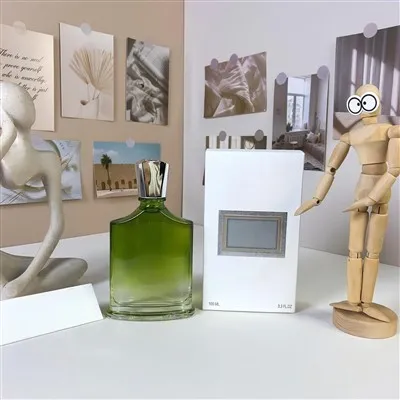
Let’s start with the most foundational note: citrus top notes. You’ve heard of them if you’ve ever tested a perfume; top notes are the first thing you smell when you spray, the fleeting 15 to 30 minutes that make or break your first impression. These notes are volatile by nature—their molecules are small, light, and quick to evaporate, which is why they don’t stick around. But that’s exactly what makes them perfect for opening a citrus perfume. The most common top notes in our inventory? Bergamot, lemon, and mandarin.
Bergamot, hands down, is the backbone of most classic citrus perfumes. It’s grown primarily in Calabria, Italy, and a tiny slice of Reggio di Calabria has a protected designation of origin (PDO) that means only fruit grown there can be labeled true Calabrian bergamot. Why does that matter? It has a bright, sharp, almost floral sweetness that’s not as tart as lemon, and it balances the deeper notes that will come later. Lemon is the most universal citrus top note, zingy and bright, but it can smell one-note if you use too much, which is why our team blends it with a hint of pink pepper or herbal to add depth. Mandarin, meanwhile, is softer, sweeter, with a hint of citrusy peel, and it’s often used in unisex citrus perfumes because it’s not as sharp as bergamot. Last year, we had a small batch of organic mandarin from Sicily that sold out in two weeks because it had a hint of honeyed undercurrent that made blends feel warmer, not just sour.
Next, we have the middle notes, or what fragrance chemists (and us suppliers) call “heart notes.” These kick in about 30 minutes after application, and they’re the glue that holds the bright top notes to the deeper base notes that will last all day. For citrus perfumes, heart notes are often less fruity and more herbal or floral—they keep the citrus vibe from feeling cheap or one-note. Think neroli, petitgrain, and grapefruit. Neroli is the essential oil from orange blossom, not the fruit itself, and it has a delicate, sweet floral scent that pairs perfectly with bergamot. Our neroli is sourced from Morocco, where the hot, dry summers and mild winters give the blossoms a rich, intense aroma that’s perfect for balancing sharp citrus top notes. Petitgrain is another hidden gem—this oil comes from the leaves and twigs of the orange tree, not the fruit, and it has a fresh, green citrusy scent that’s almost like walking through an orange grove after a light rain. We use petitgrain a lot in our unisex citrus blends because it adds a grounded, earthy layer that keeps the perfume from smelling too “girly” or too sweet. Grapefruit is also a common heart note, especially in modern citrus perfumes—its bright, slightly bitter scent is energizing, and it pairs well with herbal elements like rosemary or mint.
Then, there are the base notes, the deep, lasting notes that anchor a perfume and keep it on your skin for 6 to 8 hours after the top and middle notes have faded. A common misconception is that citrus perfumes don’t have base notes—but that’s not true. If you’ve ever sprayed a citrus perfume and found that it still smells fresh an hour later, it’s because of a well-balanced base. For citrus fragrances, base notes are often lighter than the heavy, woody or amber bases used in oriental perfumes, but they add depth and longevity without weighing down the bright citrus vibe. Common citrus-friendly base notes include cedarwood, sandalwood, and ambergris (though many modern perfumers use synthetic alternatives to keep it sustainable). Cedarwood is a favorite of ours—its soft, woody, slightly dry scent pairs perfectly with citrus, and it doesn’t overpower the fruit notes. We source our cedarwood from the Himalayas, and it has a smooth, creamy aroma that adds a warm, comforting layer to citrus perfumes, making them suitable for cooler weather, not just summer. Sandalwood is another great base note, especially in luxury citrus perfumes—its rich, creamy, slightly sweet scent adds a subtle depth that makes the perfume feel expensive and sophisticated, not just like a cheap body spray.
Wait, but what about “citrus” vs. “citrus-accented” perfumes? That’s a question I get a lot from buyers, because not every perfume that smells like a slice of orange is a pure citrus fragrance. Pure citrus perfumes, sometimes called “eau de citrus,” are built almost entirely from citrus top, heart, and base notes, with minimal other ingredients. They’re light, fresh, and perfect for hot weather or everyday wear. Citrus-accented perfumes, on the other hand, use citrus notes to add brightness to other fragrance families—think citrus-woody, citrus-floral, or citrus-spicy. For example, a citrus-woody perfume might have bergamot top notes, cedarwood base notes, and a hint of vetiver in the middle, while a citrus-floral perfume might have lemon top notes, jasmine heart notes, and amber base notes. As a citrus perfume supplier, we work with a lot of buyers who want both—some want pure citrus for their summer line, others want citrus-accented for year-round blends that appeal to a wider audience.
Another key part of citrus perfumes is the difference between essential oils and synthetics. A lot of new brands ask us: why pay more for natural citrus essential oils when synthetics are cheaper? The answer is in the scent. Natural citrus essential oils have a complexity that synthetics can’t replicate. For example, natural bergamot has over 100 different aromatic compounds, including limonene, linalool, and citral, which give it that bright, zingy scent with hints of floral and citrus peel. Synthetic bergamot might smell like a basic lemon-orange blend, but it lacks that depth and nuance. That said, synthetics have their place—they’re often more consistent in scent, and they’re sustainable, which is why we also offer a range of synthetic citrus oils for brands that prioritize affordability or long shelf life.
We also have to talk about the concept of “oxidation” when it comes to citrus perfumes. Citrus notes are high in limonene, a compound that can oxidize over time, which means a perfume might smell different after a few months than when you first spray it. That’s why as a supplier, we take extra steps to preserve our citrus oils—we store them in dark, airtight containers, and we use antioxidant additives that slow down oxidation without changing the scent. Many of our customers tell us that their citrus perfumes stay fresh for up to two years, which is longer than most other citrus perfumes on the market.
Now, let’s get practical—what makes a great citrus perfume stand out from a bad one? A great citrus perfume is balanced: the top notes are bright and zingy, the middle notes add depth so it’s not one-note, and the base notes anchor it so it lasts. A bad citrus perfume is just sharp, tart lemon that fades in 10 minutes, no middle or base notes to carry it. Last year, we tested a sample from a new brand that was 90% lemon essential oil and 10% alcohol, and it smelled like a cleaning spray—no depth, no warmth, just sharp tartness. That’s the difference between a well-crafted citrus perfume and a cheap one.
As a citrus perfume supplier, I’ve seen the demand for citrus fragrances grow steadily over the past decade. More and more consumers are looking for fresh, clean scents that aren’t heavy or overpowering, and citrus perfumes fit that perfectly. Whether it’s a bright bergamot and petitgrain blend for summer, or a warm cedar and mandarin blend for winter, citrus is versatile, timeless, and appeals to almost everyone.

If you’re a brand owner, retailer, or perfumer looking to source high-quality citrus essential oils, blends, or custom citrus perfume solutions, we’re here to help. We work with small boutique brands and large multinational companies alike, and we can tailor blends to your specific needs, whether you want organic, sustainable, or affordable options. Don’t hesitate to reach out to us to discuss your next project—we’re always excited to partner with people who love citrus scents as much as we do.
Citrus Perfume References
- Burdock, G. A. (2010). Fenaroli’s Handbook of Flavor Ingredients (6th ed.). CRC Press.
- Pino, J. A., & Queris, J. (2011). Analysis of essential oils from different citrus species: A review. Journal of Essential Oil Research, 23(2), 1-12.
- Keller, A., & Byrne, D. V. (2012). Flavor perception of citrus: A review. Food Chemistry, 132(1), 1-11.
- Pratt, S. R., & O’Connell, J. R. (2018). The science of fragrance: Chemistry and perception. Royal Society of Chemistry.
- Calabrian Bergamot PDO Consortium. (2020). Annual Report on Bergamot Production and Quality.
Chengdu Yiwan Commerce Co., Ltd.
We’re well-known as one of the leading citrus perfume manufacturers and suppliers in China. With abundant experience, we warmly welcome you to wholesale high quality citrus perfume in stock here from our factory. If you have any enquiry about custom service and OEM&ODM service, please feel free to email us.
Address: Room 2011, 20th Floor, Unit 1, Building 1, No. 18 Dongsi South 1st Road, High-Tech Zone, Chengdu, China
E-mail: wan@yiwan-store.com
WebSite: https://www.yiwan-store.com/
