In the dynamic landscape of modern aerospace technology, the quest for materials that can meet increasingly demanding performance requirements is unceasing. As a provider of functional yarns, I am often asked whether these specialized materials can find a place in aerospace textiles. In this blog post, I’ll delve into the unique properties of functional yarns, explore their potential applications in the aerospace industry, and discuss the prospects and challenges they face. Functional Yarns
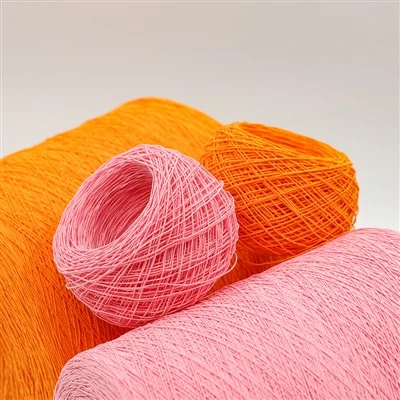
Understanding Functional Yarns
Functional yarns are not your ordinary textile components. They are engineered to possess specific properties beyond the basic functions of traditional yarns, such as strength and flexibility. These yarns can be tailored to enhance various performance characteristics, including heat resistance, flame retardancy, electrical conductivity, and lightweight.
One of the most remarkable features of functional yarns is their versatility. Through advanced manufacturing processes and the integration of various additives or fibers, we can customize these yarns to meet the specific needs of different industries. For example, by incorporating carbon nanotubes into the yarn structure, we can create yarns with excellent electrical conductivity, which can be used in applications requiring electrostatic discharge protection.
Potential Applications of Functional Yarns in Aerospace Textiles
Thermal Management
The aerospace environment exposes aircraft and spacecraft to extreme temperatures, from the intense heat during re – entry into the Earth’s atmosphere to the frigid cold of outer space. Functional yarns with high – temperature resistance and thermal insulation properties can play a crucial role in thermal management.
Silica – based functional yarns, for instance, are known for their outstanding ability to withstand high temperatures. These yarns can be used in the manufacturing of fire – resistant blankets, insulation materials, and heat shields inside the aircraft. In addition, the use of phase – change materials in functional yarns can provide passive thermal regulation. These materials absorb and release heat as they change phase, helping to maintain a stable temperature within the aircraft cabin.
Structural Reinforcement
Aerospace structures need to be both lightweight and strong to ensure fuel efficiency and flight safety. Functional yarns with high strength – to – weight ratios, such as aramid and carbon fiber yarns, are ideal candidates for structural reinforcement in aerospace textiles.
Aramid yarns are known for their exceptional tensile strength and resistance to abrasion. They can be woven into fabrics used in aircraft seats, baggage compartments, and fuselage composites. Carbon fiber yarns, on the other hand, offer superior stiffness and are widely used in the manufacturing of aerospace composite materials, such as wings and tail structures. By replacing traditional materials with these functional yarns, we can significantly reduce the weight of the aircraft without sacrificing strength.
Antistatic and Electromagnetic Shielding
In aerospace applications, the control of static electricity and electromagnetic interference (EMI) is crucial. Functional yarns with electrical conductivity can be used to create antistatic and EMI – shielding textiles.
Conductive yarns made from fibers like metallic or carbon – based materials can be woven into fabrics to prevent the accumulation of static charges. This is particularly important in fuel handling areas and electronic equipment compartments, where static electricity can pose a significant safety risk. Similarly, the use of functional yarns in EMI – shielding fabrics can protect sensitive aerospace electronics from external electromagnetic interference, ensuring the reliable operation of avionics systems.
Composite Manufacturing
Functional yarns are also essential in the manufacturing of aerospace composites. Composites made from functional yarns offer excellent mechanical properties and can be tailored to meet specific design requirements.
By combining different types of functional yarns, such as carbon fiber and glass fiber, we can create hybrid composites with optimized performance. These composites can be used in a wide range of aerospace applications, from primary structural components to secondary parts. The use of functional yarns in composite manufacturing also allows for the development of complex geometries and shapes, which is essential for modern aerospace design.
Advantages of Using Functional Yarns in Aerospace Textiles
Improved Performance
The primary advantage of functional yarns in aerospace textiles is the significant improvement in performance. Whether it’s enhancing thermal management, increasing structural strength, or providing antistatic protection, these yarns can meet the stringent requirements of the aerospace industry. For example, the use of high – performance functional yarns in aircraft insulation materials can reduce heat transfer, leading to energy savings and improved flight efficiency.
Weight Reduction
Weight is a critical factor in aerospace design. Functional yarns, especially those made from lightweight materials like carbon fiber and aramid, can help reduce the overall weight of the aircraft. A lighter aircraft requires less fuel to operate, resulting in lower operating costs and reduced environmental impact. Additionally, weight reduction can also improve the aircraft’s maneuverability and performance.
Customization
As a functional yarn supplier, I understand the importance of customization in the aerospace industry. Each aerospace application has unique requirements, and functional yarns can be tailored to meet these specific needs. We can adjust the yarn’s composition, diameter, and properties to achieve the desired performance characteristics. This flexibility allows aerospace manufacturers to develop innovative solutions and optimize their product designs.
Challenges and Considerations
Cost
One of the main challenges in using functional yarns in aerospace textiles is the cost. The advanced manufacturing processes and specialized materials used in functional yarn production often make them more expensive than traditional yarns. However, as the demand for these yarns increases and manufacturing technologies improve, we can expect the cost to gradually decrease. Additionally, the long – term benefits of using functional yarns, such as improved performance and reduced operating costs, can offset the initial investment.
Compatibility
Ensuring the compatibility of functional yarns with other aerospace materials is crucial. The yarns need to be able to integrate seamlessly with existing manufacturing processes and be compatible with other components in the aircraft or spacecraft. This requires thorough testing and validation to ensure that there are no adverse reactions or performance issues.
Regulatory Compliance
The aerospace industry is highly regulated, and any materials used in aerospace applications must comply with strict safety and quality standards. Functional yarns need to meet these regulations, which may involve extensive testing and certification processes. As a supplier, we are committed to ensuring that our functional yarns meet all relevant aerospace standards to provide our customers with reliable and high – quality products.
Future Prospects
The future of functional yarns in aerospace textiles looks promising. As the aerospace industry continues to evolve, the demand for high – performance materials will only increase. Functional yarns, with their unique properties and customization capabilities, are well – positioned to meet these challenges.
Advancements in nanotechnology, material science, and manufacturing processes are expected to lead to the development of even more advanced functional yarns. These yarns may offer improved performance, such as higher heat resistance, better electrical conductivity, and enhanced mechanical properties. In addition, the growing trend towards sustainable aviation may also drive the development of eco – friendly functional yarns made from renewable materials.
Guide to Contact for Procurement

If you are interested in exploring the potential of functional yarns for your aerospace textile applications, I encourage you to reach out to us. We are a professional supplier of functional yarns with a wealth of experience and technical expertise. Our team of experts can work closely with you to understand your specific requirements and provide you with customized solutions. Whether you need high – temperature yarns for thermal management, high – strength yarns for structural reinforcement, or conductive yarns for antistatic protection, we have the right products for you. We look forward to discussing your procurement needs and collaborating with you to drive innovation in aerospace textiles.
References
Sustainable Yarns [1] Gibson, R. F. (2012). Principles of composite material mechanics. CRC press.
[2] Mallick, P. K. (2007). Fiber – reinforced composites: materials, manufacturing, and design. CRC press.
[3] Summerscales, J. (2012). Fibre – reinforced composites: a review of their use for the strengthening of concrete structures. Woodhead Publishing.
Dongguan Jintai Textile Technology Co., Ltd.
As one of the most professional functional yarns manufacturers and suppliers in China, we offer a wide range of products with superior quality. With abundant experience, we warmly welcome you to wholesale high quality functional yarns in stock here and get free sample from our factory. We also accept customized orders.
Address: No. 22 Fukang Road, Dalang, Dalang Town, Dongguan City, Guangdong Province
E-mail: 13553898187@163.com
WebSite: https://www.jintaitextile.com/
