Adjusting the sensitivity of the wireless remote control of a Wireless Remote Control Electric Hoist is a crucial task that can significantly impact the efficiency, safety, and overall performance of your lifting operations. As a supplier of Wireless Remote Control Electric Hoists, I’ve encountered numerous customers who face challenges related to remote control sensitivity. In this blog, I’ll share my expertise on how to properly adjust the sensitivity of these remote controls, ensuring your hoist operates smoothly and effectively. Wireless Remote Control Electric Hoist
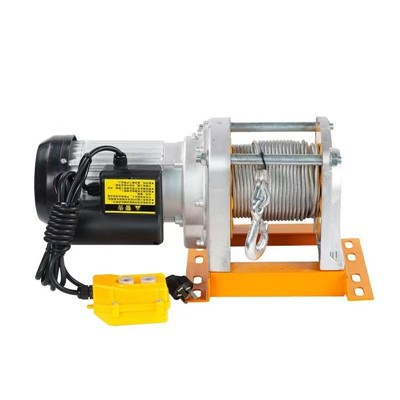
Understanding the Importance of Remote Control Sensitivity
Before delving into the adjustment process, it’s essential to understand why remote control sensitivity matters. The sensitivity of a wireless remote control determines how precisely it can send signals to the electric hoist. If the sensitivity is too low, the hoist may not respond promptly to your commands, leading to delays in operations and potential safety hazards. On the other hand, if the sensitivity is too high, the hoist may react to unintended signals, causing erratic movements and increasing the risk of accidents.
Properly adjusted sensitivity ensures that the hoist responds accurately to your commands, allowing for smooth and controlled lifting, lowering, and positioning of loads. It also enhances the safety of your operations by reducing the likelihood of sudden or unexpected movements.
Factors Affecting Remote Control Sensitivity
Several factors can affect the sensitivity of a wireless remote control for an electric hoist. Understanding these factors can help you diagnose and address any sensitivity issues you may encounter.
1. Signal Interference
Wireless remote controls operate on specific radio frequencies. Any interference from other electronic devices operating on the same or nearby frequencies can disrupt the signal between the remote control and the hoist, reducing sensitivity. Common sources of interference include Wi-Fi routers, Bluetooth devices, and other wireless communication systems.
2. Battery Condition
The batteries in the remote control play a crucial role in maintaining a strong and stable signal. Weak or depleted batteries can cause a decrease in signal strength, leading to reduced sensitivity. It’s important to regularly check and replace the batteries as needed to ensure optimal performance.
3. Distance between Remote Control and Hoist
The distance between the remote control and the hoist can also affect sensitivity. As the distance increases, the signal strength weakens, making it more difficult for the hoist to receive the commands accurately. Most wireless remote controls have a specified maximum operating range, and it’s important to stay within this range to maintain optimal sensitivity.
4. Environmental Conditions
Environmental factors such as temperature, humidity, and electromagnetic fields can also impact remote control sensitivity. Extreme temperatures can affect the performance of the batteries and electronic components, while high humidity can cause corrosion and damage to the remote control. Electromagnetic fields generated by nearby electrical equipment can interfere with the radio signals, reducing sensitivity.
Steps to Adjust the Sensitivity of the Wireless Remote Control
Now that you understand the importance of remote control sensitivity and the factors that can affect it, let’s discuss the steps to adjust the sensitivity of your wireless remote control.
Step 1: Check the Battery
The first step is to check the batteries in the remote control. Remove the battery cover and inspect the batteries for signs of corrosion or damage. If the batteries are old or depleted, replace them with new ones of the same type and voltage. Make sure to insert the batteries correctly, following the polarity markings inside the battery compartment.
Step 2: Clear the Area of Interference
To minimize signal interference, clear the area around the hoist and the remote control of any electronic devices that may be operating on the same or nearby frequencies. Move Wi-Fi routers, Bluetooth devices, and other wireless communication systems away from the hoist and the remote control. If possible, turn off these devices during the adjustment process to ensure a clean signal.
Step 3: Move Closer to the Hoist
If the signal strength is weak, try moving closer to the hoist to reduce the distance between the remote control and the hoist. Make sure you stay within the specified maximum operating range of the remote control. If the signal strength improves, it indicates that the distance was the cause of the low sensitivity.
Step 4: Adjust the Antenna
Most wireless remote controls are equipped with an antenna that helps to receive and transmit signals. Make sure the antenna is fully extended and positioned vertically. Adjust the position of the antenna slightly to see if it improves the signal strength. Sometimes, a slight adjustment in the antenna position can make a significant difference in sensitivity.
Step 5: Use the Sensitivity Adjustment Function
Many wireless remote controls for electric hoists are equipped with a sensitivity adjustment function. Refer to the user manual of your remote control to locate the sensitivity adjustment button or switch. Follow the instructions in the manual to increase or decrease the sensitivity as needed. Start with small adjustments and test the remote control after each adjustment to see if the sensitivity has improved.
Step 6: Test the Remote Control
After making the adjustments, test the remote control by operating the hoist. Make sure the hoist responds accurately to your commands, and there are no delays or erratic movements. If the sensitivity is still not satisfactory, repeat the adjustment process until you achieve the desired sensitivity.
Troubleshooting Common Sensitivity Issues
Despite following the above steps, you may still encounter some sensitivity issues with your wireless remote control. Here are some common issues and their possible solutions:
1. Remote Control Not Responding
If the remote control is not responding at all, check the batteries first. Make sure the batteries are inserted correctly and have sufficient charge. If the batteries are okay, try resetting the remote control and the hoist. Refer to the user manual for instructions on how to reset the devices.
2. Intermittent Response
If the remote control responds intermittently, it may be due to signal interference. Try moving the hoist and the remote control to a different location or clearing the area of any electronic devices that may be causing interference. You can also try adjusting the antenna position or using the sensitivity adjustment function to improve the signal strength.
3. Hoist Moving Erratically
If the hoist is moving erratically or responding to unintended signals, it may indicate that the sensitivity is too high. Use the sensitivity adjustment function to decrease the sensitivity until the hoist responds accurately to your commands.
Conclusion

Adjusting the sensitivity of the wireless remote control of a Wireless Remote Control Electric Hoist is a relatively simple process that can have a significant impact on the performance and safety of your lifting operations. By understanding the importance of remote control sensitivity, the factors that can affect it, and the steps to adjust it, you can ensure that your hoist operates smoothly and effectively.
Indoor and Outdoor Winches If you have any further questions or need assistance with adjusting the sensitivity of your wireless remote control, please don’t hesitate to contact us. As a leading supplier of Wireless Remote Control Electric Hoists, we have the expertise and experience to help you solve any problems you may encounter. We also offer a wide range of high-quality hoists and remote controls to meet your specific needs. Contact us today to discuss your requirements and explore our products.
References
- Manufacturer’s user manuals for Wireless Remote Control Electric Hoists
- Industry standards and guidelines for wireless remote control systems in lifting equipment
- Technical research papers on radio frequency interference and signal strength optimization
Hebei Hengtai Crane Machinery Manufacturing Co., Ltd.
Address: Weigezhuang Village, Donglu Township, Qingyuan District, Baoding City, Hebei Province
E-mail: hbht@cnhengtai.com
WebSite: https://www.cnhengtai.com/
