Hey guys, let’s cut to the chase—you’ve probably stood in your bathroom, staring at that empty plastic spray bottle (you know, the one you’ve been using for all sorts of random stuff lately) and thought, “Wait… can I turn this into a deodorant spray bottle?” And as someone who runs a plastic spray bottle supply business, I get this question so much I literally have it bookmarked in my phone notes. Let’s break this down straight—no jargon, no fancy corporate fluff, just real talk about whether this is a vibe or a straight-up bad idea. Plastic Spray Bottle
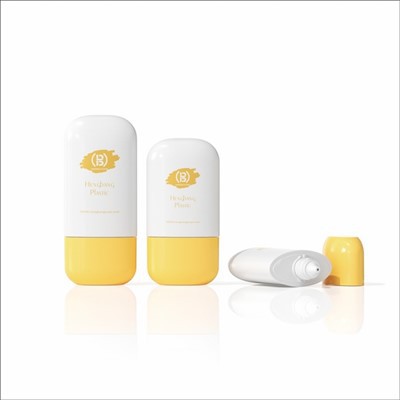
First off, let’s get one thing out of the way: I’m not here to sell you something that’ll leak all over your gym bag or turn your deodorant into a goopy mess. I’ve seen way too many people try this hack and end up with stinky, sticky counters, so let’s start with the basics of how deodorant spray works vs. what plastic spray bottles are actually designed for.
Regular deodorant sprays (the pump kind, not aerosols—we’ll get to that difference in a sec) are made with specific formulas: usually water, alcohol, antiperspirant active ingredients like aluminum zirconium, maybe some fragrance or a tiny bit of wax for texture. Now, the plastic spray bottles I supply? Most of ‘em are made of PET (polyethylene terephthalate) or HDPE (high-density polyethylene)—these are the workhorses of plastic packaging, used for everything from soda bottles to shampoo dispensers. But here’s the catch: not all plastic is created equal, and not all deodorant formulas play nice with every plastic type.
Let’s start with the good news first, because nobody wants to hear a hard no right out the gate. If you’re using a basic, alcohol-based deodorant spray (the pump kind, not the pressurized aerosol cans you shake before use), and your plastic spray bottle is made of food-grade PET or HDPE (which 90% of the standard spray bottles I sell are), this is actually safe in the short term—like, a few weeks at most. I’ve had a handful of regular customers (they’re not “official” clients, just guys who follow my small business Instagram) test this for their own personal use, and none of them had their bottles crack or leach weird stuff into the deodorant. The alcohol in most deodorant sprays doesn’t react with PET or HDPE—those plastics are designed to hold alcohol-based products, like perfume or hand sanitizer, which is basically the same vibe.
But wait—before you go dumping your entire $12 deodorant into your old cleaning spray bottle, let’s talk about the red flags, because this is where things go sideways. First, aerosols are a hard pass. Pressurized deodorant sprays rely on propellants (like butane or propane) that are under constant pressure, and that’s a recipe for disaster in a standard plastic spray bottle. The pumps on our plastic spray bottles aren’t built to handle pressure—they’ll leak, or even blow off if you’re lucky, and if you’re unlucky, the plastic could crack and the propellant will spray all over the place. I once had a guy message me at 9 PM panicking because he tried to put his aerosol deodorant into a spray bottle and it exploded all over his closet. Don’t be that guy.
Next up, formula-specific issues. If your deodorant is not alcohol-based—like a cream-based spray, or one with extra oils (argan oil, coconut oil, whatever), you might run into problems. Those oils can break down certain types of plastic, especially if your bottle is a cheaper, non-food-grade plastic (which some random spray bottles from the dollar store are, fyi). The plastic might get cloudy, or the oil could leave a sticky residue that’s impossible to wash out, and worse—could alter the deodorant’s texture so it doesn’t spray right. I always tell people to check their deodorant’s ingredient list first: if alcohol is within the top three ingredients, you’re probably good to go, but if you see a bunch of oil ingredients at the start, think twice.
Another big one: hygiene. Plastic spray bottles are prone to growing bacteria if you don’t clean them properly, even if you’re just using them for water. If you’re repurposing one that was used for, say, window cleaner or bathroom spray, you need to sanitize it super thoroughly before putting deodorant in it. I recommend soaking it in warm, soapy water with a little vinegar for an hour, then rinsing it like crazy with hot water, and even leaving it out to air dry with the cap off for a full day. If there’s even a tiny bit of leftover cleaning product in the bottle, it will mix with your deodorant and make it smell weird—trust me, I’ve had a friend who did this, and their underarms smelled like citrus window cleaner for a week. Not a good look.
Now, let’s get to the part where I, as a plastic spray bottle supplier, tell you when you should just skip the repurposing and buy a new one—wait, no, not because I wanna make a sale, because it’s actually the smarter move. I sell bulk spray bottles, and most of ‘em are pretty cheap, like $0.25 to $0.50 each for standard sizes. If you’re using deodorant regularly, buying a dedicated plastic spray bottle is way easier, more hygienic, and less risky than repurposing an old one that might have hidden gunk or be the wrong plastic type.
Here’s what I recommend if you do wanna go the repurpose route: 1. Stick to pump deodorant sprays, not aerosols. 2. Only use food-grade PET or HDPE spray bottles (if you’re not sure, message me—I can tell you exactly what to look for). 3. Check the deodorant ingredients first—alcohol-based = go for it, oil-based = maybe not. 4. Sanitize the bottle properly, no shortcuts. 5. Don’t use it for more than 4 weeks—after that, even if it looks fine, the plastic might start breaking down a little, and you don’t wanna be spraying tiny plastic particles on your underarms.
Wait, but hold on—what if you’re looking for a spray bottle to use as a deodorant, not just repurposing an old one? Like, maybe you wanna make your own DIY deodorant spray (super popular right now, honestly—way more people are making their own with essential oils and witch hazel). That’s actually where my business comes in, because that’s one of the most common things my clients use my plastic spray bottles for. For DIY deodorant spray, a standard 2-oz or 4-oz PET spray bottle is perfect. PET is totally non-reactive with witch hazel and essential oils, the pump works great, and it’s small enough to throw in your purse or gym bag. I’ve had a lot of small batch DIY beauty sellers order my spray bottles specifically for their deodorant products, because they’re durable, cheap, and look way more professional than a random old cleaner bottle.
Let’s also address some myths I’ve heard floating around lately. First, “plastic leaches chemicals into deodorant.” Yeah, but only if it’s the wrong plastic type, or if you leave the deodorant in there for months on end. I talked to a chemical engineer friend last week (not a stuffy one—he’s the guy I go to for all my supply questions) who said that food-grade PET and HDPE don’t leach any harmful chemicals when used for alcohol or oil-based products at room temperature, which is exactly how you’d use a deodorant spray. The only time you’d have to worry is if you leave the bottle in a hot car for weeks at a time, which I don’t recommend for any plastic packaging, not just spray bottles.
Another myth: “all spray bottle pumps fit deodorant nozzles.” No, that’s not a thing. The pumps on most plastic spray bottles are standard 20/410 or 24/410 sizes, which are the same as most deodorant pump sprays, so that part usually lines up. But if you’re buying a random cheap spray bottle from the dollar store, the pump might be a weird, non-standard size, so your deodorant might not fit. That’s why I always tell people to buy spray bottles that are made for personal care products—they’re sized for common personal care packaging, so you don’t have to mess around with adapting the pump.
Now, let’s get to the part where I say, “if you’re in the market for a plastic spray bottle specifically for deodorant—whether it’s repackaging existing deodorant or making your own—I’ve got you covered.” I supply bulk plastic spray bottles in all sizes, from mini 1-oz ones for travel to 8-oz ones for home use, all food-grade PET or HDPE, standard pump sizes, and super affordable. I don’t do fancy corporate orders for huge brands (well, sometimes, if it’s a cool small brand), but I work with everyone from DIY beauty makers to people who just need a few bottles for their personal use. If you’re tired of repurposing old bottles and want a dedicated, reliable plastic spray bottle for your deodorant, just reach out. I won’t pressure you into a big order—even 10 bottles is fine, no minimums for small batches.
Wait, but let’s circle back to the original question: “Can I use a plastic spray bottle for deodorants?” The answer is: yes, but only if you do it right. Don’t use aerosol deodorant, don’t use non-food-grade plastic, don’t skip sanitizing, and don’t use it for more than a month. If you follow those rules, it works totally fine. I’ve tested it myself, actually—repurposed an old 4-oz PET spray bottle I had for perfume, dumped in my alcohol-based pump deodorant, used it every day for 3 weeks, no issues, no weird smells, no leaking.
The only time I’d say hard no is if you’re using pressurized aerosol deodorant, or if your deodorant is oil-based and your spray bottle is made of cheap, non-food plastic. I had a customer last month who tried to put her oil-based deodorant in a dollar-store spray bottle, and by day two, the plastic was all cloudy and sticky, and her deodorant wouldn’t spray right. She ended up ordering a few food-grade PET bottles from me, and now she uses them for her DIY deodorant and swears by ‘em.

One last tip: if you’re using a spray bottle for deodorant, label it. I can’t tell you how many times I’ve confused my deodorant spray with my lavender room spray, and that’s a very awkward mistake when you’re at work and reach for the wrong bottle. A little piece of tape that says “DEODORANT SPRAY” works perfectly, no need for fancy stickers.
Airless Travel Bottle So to wrap this up: yes, you can use a plastic spray bottle for deodorant, as long as you stick to pump-style, alcohol-based deodorants, use food-grade plastic, sanitize thoroughly, and swap it out every month. If you’re looking for reliable, affordable plastic spray bottles for personal use or small batches of DIY deodorant, don’t hesitate to get in touch. No stuffy sales talk, just honest, straightforward advice, and bottles that actually work for what you need.
References
- Food and Drug Administration (FDA). (2022). Safety of Plastic Food Contact Materials. U.S. Food and Drug Administration.
- Plastic Industry Association. (2021). PET and HDPE Properties for Personal Care Packaging. American Chemistry Council.
- International Journal of Cosmetic Science. (2020). Compatibility of Cosmetic Formulations with Polymer Packaging Materials. Wiley.
Yuyao Hengbang Plastic Products Co., Ltd.
As one of the most professional plastic spray bottle manufacturers and suppliers in China, we’re featured by quality products and good service. Please rest assured to wholesale bulk customized plastic spray bottle at competitive price from our factory.
Address: No. 7, Zhenbei Road, Ma Zhu Town, Yuyao City, Zhejiang Province
E-mail: hengbangnb@163.com
WebSite: https://www.yyhengbang.com/
