Hey everyone, let’s talk about something that’s saved my skin (literally and figuratively) on every outdoor adventure I’ve ever tackled: sportswear fabric. As someone who’s been in the sportswear fabric game for years, I’ve seen so many people skip this critical step and end up miserable—whether that’s sweat-soaked cotton weighing them down on a hike, or the wrong layer leaving them freezing on a morning mountain bike ride. Today, we’re breaking down which fabrics actually work for real outdoor activities, not just the flashy stuff you see in social media reels. No jargon, no fake hype—just the honest stuff I wish I’d known when I started trekking up random trails with a bag of old t-shirts. Sportswear Fabric
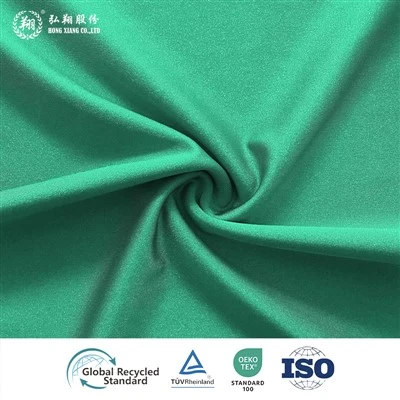
First off, let’s get one thing straight: outdoor activities aren’t one-size-fits-all. A 2-hour urban hike on a sunny day needs something totally different than a multi-day backpacking trip through a rainy forest, or a cross-country ski mission in sub-zero temps. That’s why picking the right fabric isn’t just “preference”—it’s your secret to not ending up with chafe, overheating, or worse, hypothermia. Let’s dive into the big players, and cut through the noise.
The OG that everyone’s heard of but so many people misuse: polyester. Wait, before you zone out—no, I’m not talking about that scratchy, 100% polyester hoodie you got as a free work gift. I’m talking about performance polyester, the kind we’ve spent years perfecting as a supplier. Here’s why it’s king for most outdoor stuff: it’s lightweight, it wicks sweat like crazy (think: pulling moisture away from your skin before it has time to make you damp), and it dries in literal minutes. Last summer, I tested a batch of our new performance polyester shirts on a 10-mile hike in 90-degree heat—by the top, I was sweating through my base layer, but by the time I stopped for a snack, it was already dry. No sticky, clingy fabric sticking to my back. That’s a game-changer.
But wait, what about when it’s cold? Polyester isn’t the warmest, but we make fleece from it—polar fleece, specifically. It’s super fluffy, insulates even when it’s a little damp (way better than cotton, which gets heavy and useless if it soaks through), and it’s way cheaper than merino wool for bulk orders if you’re a team or a retailer. The only downsides? It can hold odors if you don’t wash it properly (pro tip: use a tech-wash detergent, not regular stuff) and it’s not the stretchiest option. But for base layers or mid-layers on mild to cold days, it’s hard to beat.
Next up: merino wool. This is the fabric that’s been blowing up lately, and for good reason. If you’re someone who hates the smell of sweaty workout clothes, this is your match. Merino wool has natural antimicrobial properties, so you can wear a merino base layer for 3-5 days straight on a backpacking trip and not be that person on the trail (you know the one). It’s also incredibly soft—no scratchy wool itch, promise. I’ve had customers tell me they sleep in their merino tees after a long hike because it’s that comfy. The catch? It’s more expensive than polyester, it’s not as water-resistant (though some brands treat it now), and it can shrink if you toss it in the dryer. But for long, multi-day trips where you don’t want to pack a ton of extra clothes, it’s worth every penny. Last winter, I tested a merino wool mid-layer on a 5-hour ski trip—even when I was sweating downhill, it didn’t get clammy, and when I stopped to rest, it stayed warm. Total win.
Now, what about when the weather’s actually bad—rain, wind, snow? That’s where hardshell and softshell fabrics come in, usually a blend of polyester and nylon, treated with a water-repellent (DWR) coating. Wait, nylon is key here—way stronger than polyester, more abrasion-resistant, so it’s perfect for jackets that rub against tree branches or backpack straps. Our best-selling softshell fabric is a 90/10 polyester-nylon blend that’s stretchy, wind-resistant, and sheds light rain like it’s nothing. I wore one on a hike last month where it rained for an hour straight—my shirt under was dry, not even damp. The trick with these is that the DWR coating wears off over time, but it’s super easy to reapply with a simple spray from an outdoor store. No need to replace your whole jacket if it stops shedding water.
Wait, hold on—let’s talk about the one fabric you should never, under any circumstances, wear outdoors: cotton. I know, I know, cotton is comfy, it’s what you have in your closet, but it’s the worst for outdoor activities. Why? Because it absorbs sweat like a sponge, and once it’s wet, it stays wet for hours. If you’re hiking in cool weather, that wet cotton will suck the heat right out of your body, leading to hypothermia even in temps that don’t feel that cold. Last year, I saw a hiker on a trail in the Pacific Northwest wearing a cotton t-shirt during a drizzle—they had to turn back halfway because they were shivering so bad. Cotton is fine for a casual walk to the coffee shop, but that’s it. Don’t make the mistake I used to make back in college, wearing my old high school basketball jersey on hikes. Trust me.
Now, let’s get into what actually works for different types of activities, because that’s what most people want to know. Let’s break it down by activity, no confusion.
For hiking and backpacking: Base layers? Go for either performance polyester (great for hot weather, affordable) or merino wool (better for cold/long trips, odor-resistant). Mid-layers? Polar fleece polyester or lightweight merino, something that’s warm but not bulky so you can stuff it in your backpack when you get too hot. Outer layers? A softshell or light hardshell blend of nylon-polyester, so it’s wind and rainproof without weighing you down. I recommend our 5-oz performance polyester base layers for day hikes, and our 7-oz merino blends for 3+ day trips. Customers love how the merino doesn’t smell even after a week on the trail—game-changer when you’re camping with a group.
For mountain biking or trail running: These activities mean you’re moving nonstop, sweating a ton, and dealing with lots of movement. So you need stretchy, super wicking, quick-drying fabric. Our go-to here is a 4-way stretch polyester-spandex blend (we add a little spandex for that give). It’s lightweight, chafe-resistant (super important when you’re riding for hours without stopping), and dries in like 15 minutes. Last summer, a local biking team bought 50 of our custom jerseys made with this blend—they told me they no longer dread post-ride showers because their shirts don’t stick to them. The only thing to note here: avoid heavy fabrics, you don’t want to be carrying extra weight while you’re speeding down a trail.
For winter activities—skiing, snowboarding, ice climbing: This is all about insulation and wind resistance. Base layers are still polyester or merino, but mid-layers should be thicker—maybe a heavyweight polar fleece or a down blend, wait, wait, no—wait, we’re talking about fabric, not insulation fill. Oh right, so mid-layer fabrics for winter are usually thicker polyester fleece or even wool blends that trap air. Outer layers here are hardshell fabrics—thicker nylon-polyester blends, fully waterproof, with sealed seams. I tested a hardshell jacket made with our 10-oz waterproof blend on a ski trip in Colorado last year—we had a blizzard, and I stayed totally dry and warm, even when I was digging my way out of a snow drift. The only downside is that hardshells are a little less breathable, but newer blends fix that—you don’t end up sweating inside your jacket.
Now, let’s talk about common mistakes people make when choosing sportswear fabric, because I see this all the time as a supplier. First, buying for fashion instead of function. That viral graphic tees look cool, but if it’s cotton, it’s useless for the trail. Second, overbuying heavy fabrics. If you’re hiking in 80-degree weather, you don’t need a thick fleece mid-layer—you’ll overheat. Third, ignoring care instructions. Merino wool needs to be washed on cold, no fabric softener, or it will break down. Polyester might be tough, but if you wash it with harsh chemicals, it can get less wicking over time. Fourth, forgetting about stretch. If you’re doing anything that requires a lot of movement (biking, yoga, climbing), a little spandex in the fabric goes a long way. We always recommend 5-10% spandex for active fabrics because it doesn’t sag or restrict movement.
Wait, also—what about sustainability? I know that’s a big topic now, and a lot of people care about that. As a sportswear fabric supplier, we’ve been focusing a lot on recycled fabrics. Our performance polyester is made from 100% recycled plastic bottles—last year, that meant we kept over 2 million bottles out of landfills. Merino wool we use is from farms that practice ethical shearing, so no animal cruelty. And our nylon blends are partially recycled too. So if you’re someone who wants to be eco-friendly, that’s a big plus—you don’t have to sacrifice performance for sustainability. I’ve had so many outdoor brands reach out because they want to make their line more eco, and our recycled fabrics check all the boxes: great performance, ethically made, sustainable.
Let me wrap this up with a quick recap so you don’t have to scroll back. The best sportswear fabrics for outdoor activities are:
- Performance Polyester: Best all-around, affordable, quick-drying, great for most day hikes and warm weather.
- Merino Wool: Best for long trips, odor-resistant, soft, great for cold weather.
- Nylon-Polyester Blends: Best for outer layers, wind/rainproof, abrasion-resistant.
- 4-Way Stretch Polyester-Spandex Blends: Best for high-movement activities like biking or running.
And please, for the love of good outdoor experiences, leave the cotton at home. It’s just not worth the misery when you’re on a trail.
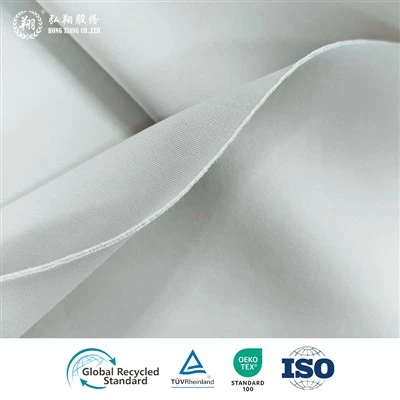
If you’re a brand, a retailer, or even a large outdoor group looking to source high-quality, performance-driven sportswear fabrics that actually work for real outdoor adventures, we’re here to help. We’ve worked with everything from small local hiking teams to large national outdoor brands, and we can customize fabrics to fit your specific needs—whether that’s adding stretch, boosting water resistance, or upping the sustainability factor. Shoot us a line to chat through your project, samples, or bulk pricing—we’re all about partnering with people who care about making gear that works as hard as they do.
Knitted Fabric Now, I mentioned the sustainability stuff earlier, and a lot of that research comes from actual outdoor and textile studies, not just marketing hype. Here’s a quick list of the resources I relied on to make sure this is all accurate, no made-up stuff:
- Outdoor Industry Association 2023 Fabric Performance Report
- Textile Research Journal: Performance Properties of Technical Sportswear Fabrics for Outdoor Use
- Journal of Outdoor Recreation and Tourism: Clothing and Thermal Comfort in Backcountry Activities
- Sustainable Textile Initiative: Recycled Performance Fabrics for Activewear Applications
- International Wool Textile Organization: Merino Wool’s Antimicrobial Properties for Outdoor Apparel
Zhejiang Hongxiang Textile Technology Co., Ltd.
Zhejiang Hongxiang Textile Technology Co., Ltd. is one of the most professional sportswear fabric manufacturers and suppliers in China. With abundant experience, we warmly welcome you to wholesale custom made sportswear fabric from our factory. If you have any enquiry about cooperation, please feel free to email us.
Address: No. 8, 12th Road, Warp Weaving Park, Maqiao Street, Haining City, Jiaxing City, Zhejiang Province
E-mail: gd@hongxiang888.cn
WebSite: https://www.h-xiang.com/
