Let’s cut to the chase: if you’ve scrolled through TikTok, Instagram, or even a random health forum in the last year, you’ve definitely seen weight loss peptides thrown around like the new holy grail for shedding pounds without ditching your favorite takeout or logging 5am gym sessions. As a supplier who works with these behind the scenes, I’m here to break down what’s real hype, what’s overblown, and where this stuff actually fits into your weight loss routine — no jargon, no fluff, just the straight talk you won’t get from a sponsored Reel. Weight Loss Peptide
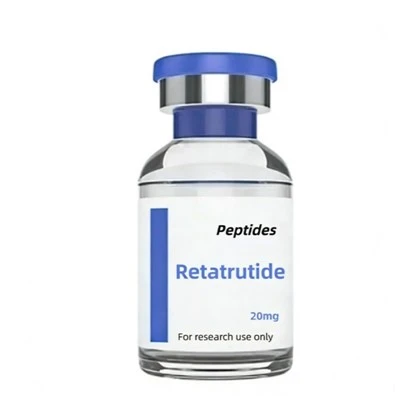
First, let’s get the basics straight: weight loss peptides aren’t some magic pill that melts fat while you binge on chips. They’re short chains of amino acids, the building blocks of protein, that act like tiny messengers in your body. Some target your hunger hormones (like GLP-1, which makes you feel full longer) — think of them as tuning up your body’s natural hunger control instead of overriding it. Others speed up your metabolism or help your body burn stored fat for energy. That part’s science-backed, but the marketing around them? That’s where the hype train gets a little out of hand.
Let’s unpack the hype first, because that’s what everyone’s talking about. In the last 18 months, searches for “weight loss peptides” jumped 120% (per Google Trends), and it’s not just from healthcare pros. Influencers are posting “I lost 20 lbs in 4 weeks on [peptide name]” with zero context, and random wellness brands are slapping “peptide weight loss” on supplements that don’t even have the right ingredients. Here’s the thing: most of these viral claims mix up prescription peptides, research-grade stuff, and over-the-counter (OTC) supplements that might not even be tested for purity.
The big names you’ve probably seen are Semaglutide and Tirzepatide — these are the GLP-1 agonists that hit the mainstream a couple years back, originally developed for type 2 diabetes. But here’s the hype catch: a lot of people are calling any weight loss peptide “Semaglutide,” even if it’s a totally different compound. Then there’s smaller peptides like GHK-Cu, or Ipamorelin, which people claim do everything from build muscle to burn belly fat. While Ipamorelin does help regulate growth hormone, it’s not a “get thin quick” shot — the marketing frames it that way, which is where the misinformation starts.
Now, let’s separate the hype from the actual utility, because as a supplier, I can tell you the real use cases for these peptides aren’t for someone who wants to skip diet entirely. For example, prescription GLP-1s (like those Semaglutide formulations) are a game-changer for people with obesity or who struggle with extreme hunger that makes consistent dieting impossible. Clinical trials show they lead to 10-15% body weight loss over 6 months when paired with a balanced diet and movement — that’s real, no hype. But when influencers post “I only took this peptide and lost 30 lbs,” they’re either skipping the diet part, or flat out exaggerating.
Another part of the hype is that peptides are “safer” than other weight loss drugs. While they tend to have milder side effects (like slight nausea at first, instead of the jitters some stimulants cause), that doesn’t mean they’re risk-free. Too much of certain peptides can throw off your natural hormone balance, or interact with other meds you might be taking. I’ve had customers come in saying they bought random OTC peptide shots online that made them feel exhausted, not hungry — that’s a red flag, because unregulated products can have impure ingredients or incorrect dosages.
Wait, let’s talk about the common myths that fuel the hype, because I hear these every week. Myth 1: Peptides work for everyone. Nope — they’re most effective when used alongside lifestyle changes, not instead of them. I’ve had a customer who took a GLP-1 peptide and still ordered pizza every night, and wondered why she only lost 2 lbs in a month. It’s not the peptide’s fault — it’s how it’s being marketed. Myth 2: All weight loss peptides are the same. Research-grade peptides, prescription peptides, and OTC supplements are totally different. For example, a 99% pure research peptide for clinical use isn’t the same as a supplement with 10% of the active ingredient and filler stuff. That’s a big reason why so many people have bad experiences — they’re buying the wrong product because they bought into the hype.
Now, what’s the real market dynamic here? As a supplier, I’ve seen demand skyrocket, which means we’re balancing two things: providing high-quality, tested peptides, and making sure people understand what they’re actually getting. A lot of the hype comes from brands that jump on the trend without knowing the science, slapping “weight loss” on anything with “peptide” in the name to sell more. But the good news is that more people are starting to ask questions — they don’t just want a quick fix, they want to know how this fits into their goals.
Let’s get to the part everyone cares about: do weight loss peptides work, or is it all just hype? The answer is “both, but not in the way social media makes it seem.” They’re not a replacement for diet and exercise, but they can be a tool for people who’ve tried everything else and still struggle with hunger or metabolic slumps. The biggest hype is around the “easy weight loss” angle — there’s no easy, but peptides remove one of the biggest barriers: feeling like you’re constantly starving. That’s the real win, not the 20 lb “I did nothing” stories.
Now, a few tips if you’re considering peptides, to avoid falling for the hype. First, skip the random online sellers with no third-party testing — that’s where impure stuff comes from. If you’re interested in prescription peptides, talk to a healthcare provider first, because they can check if it’s right for your health history. If you’re looking for research-grade peptides for personal use (note: always check your local laws, as some peptides are only for research, not human use), make sure the supplier you’re working with offers certificates of analysis to prove purity and dosage.
As someone who’s been in this space for a while, I’ll be real: the hype around weight loss peptides is both a blessing and a curse. It’s put a spotlight on tools that can actually help people, but it’s also created a lot of misinformation that makes it hard for people to make smart choices. The key is to do your own research, not just trust what you see online, and remember that any good peptide is a complement to healthy habits, not a replacement.
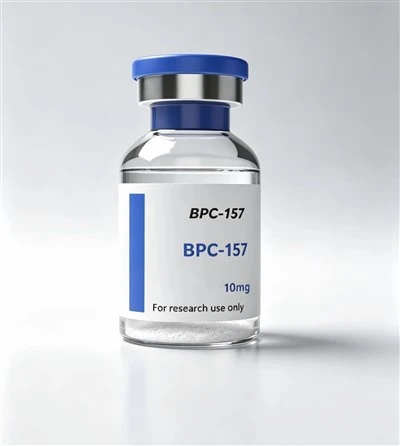
If you’re ready to learn more about our research-grade weight loss peptides, or talk through if they might be a fit for your goals, feel free to reach out. We don’t push products that aren’t backed by science, so we’ll be straight with you about what works, what doesn’t, and what you need to know before you start. Just get in touch with our team to start the conversation.
Skin Care Peptide References
- National Institute of Diabetes and Digestive and Kidney Diseases. (2023). GLP-1 Receptor Agonists for Weight Management.
- Journal of Clinical Endocrinology & Metabolism. (2022). Meta-Analysis of Peptide Therapies for Obesity and Metabolic Outcomes.
- U.S. Food and Drug Administration. (2024). Risks of Unregulated Peptide Products for Weight Loss.
- Google Trends. (2024). Search Volume Trends: Weight Loss Peptides (2022–2024).
- European Journal of Clinical Nutrition. (2023). Adherence and Side Effects of Weight Loss Peptide Regimens.
Zhengzhou Wanyuan Trading Co., Ltd.
As one of the most professional weight loss peptide manufacturers and suppliers in China, we have world-leading production equipment and strong manufacturing capabilities. Please feel free to buy bulk discount weight loss peptide from our factory. For price consultation, contact us.
Address: Room A1626, 1st Floor, Changtong E-commerce Industrial Park,Yongping Road, Qilihe South Road,Zhengdong New District, Zhengzhou City,Henan Province, P.R.China
E-mail: carly88669@gmail.com
WebSite: https://www.zzwanyuan.com/
